
Why is it possible to order pasta with chicken on the plane, but you can't find some familiar dishes on the menu? Why do some desserts calmly survive the journey to the board, while others require completely different conditions?
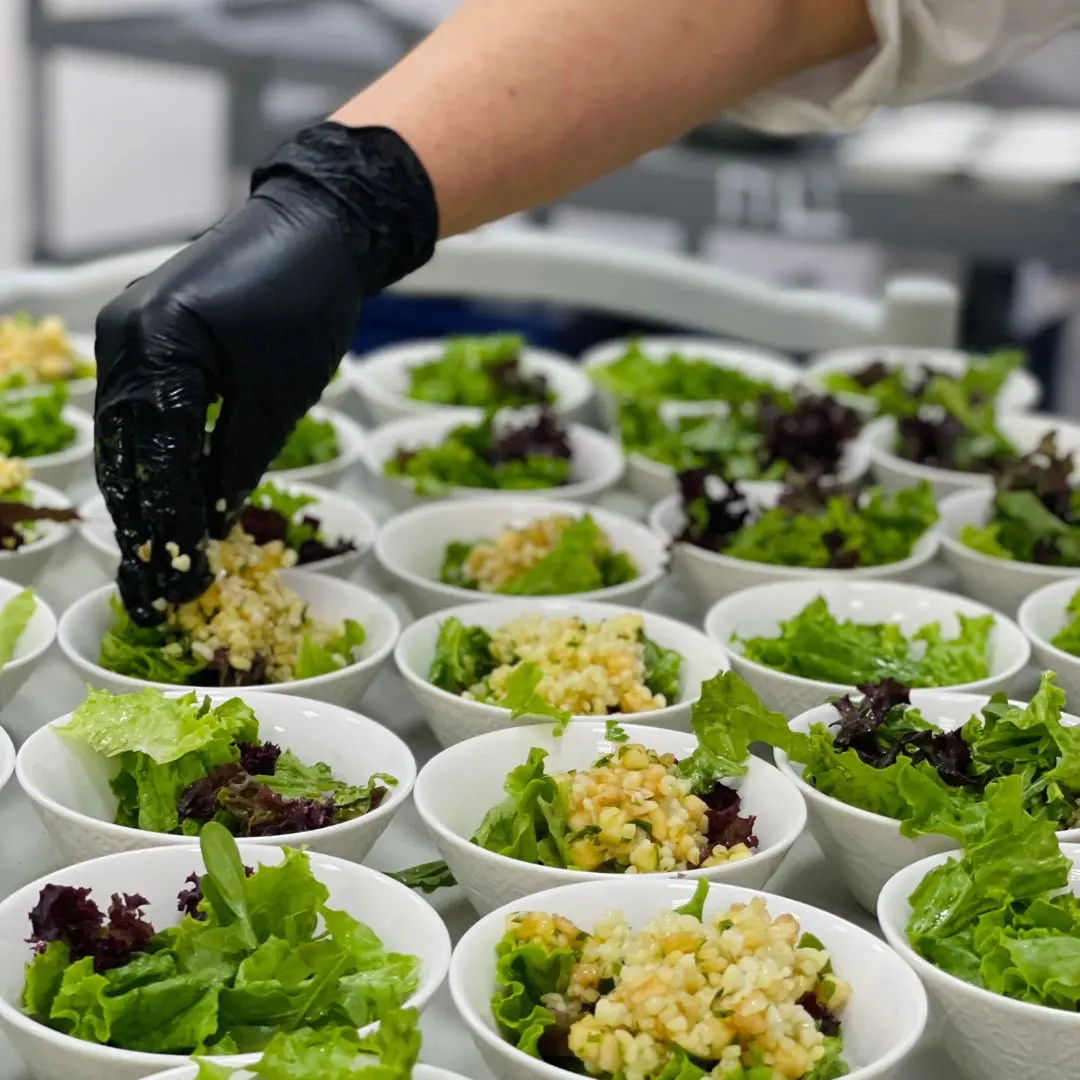
It's not about the product itselfLet's take a regular salad. In the restaurant, it can be prepared and immediately put on the table. In aviation catering, the situation is different: the finished dish is stored for some time, transported and waits for its time before the start of service.
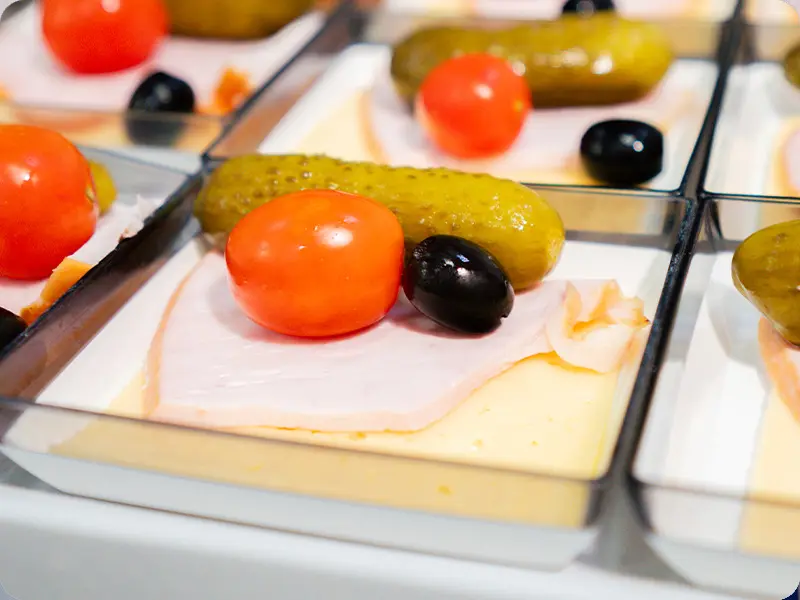
The more products in the composition that require strict temperature control, the more carefully the technology must be handled. For the same reason, restrictions apply to certain meat products, minced meat dishes, some cold appetizers, cream‑based products, and products with a short shelf life.
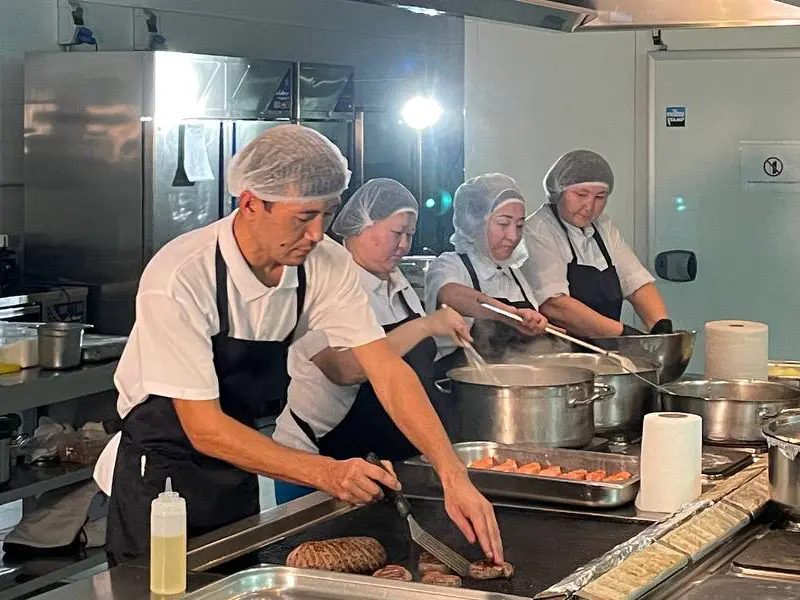
Why minced meat requires special attentionMinced meat is one of the products that is handled with particular care in production. After grinding, the contact area between the product and the equipment and the environment increases. If the processing or storage technology is violated, microbiological risks increase.
Therefore, proper heat treatment, rapid cooling, and adherence to the temperature regime are important for onboard meals.
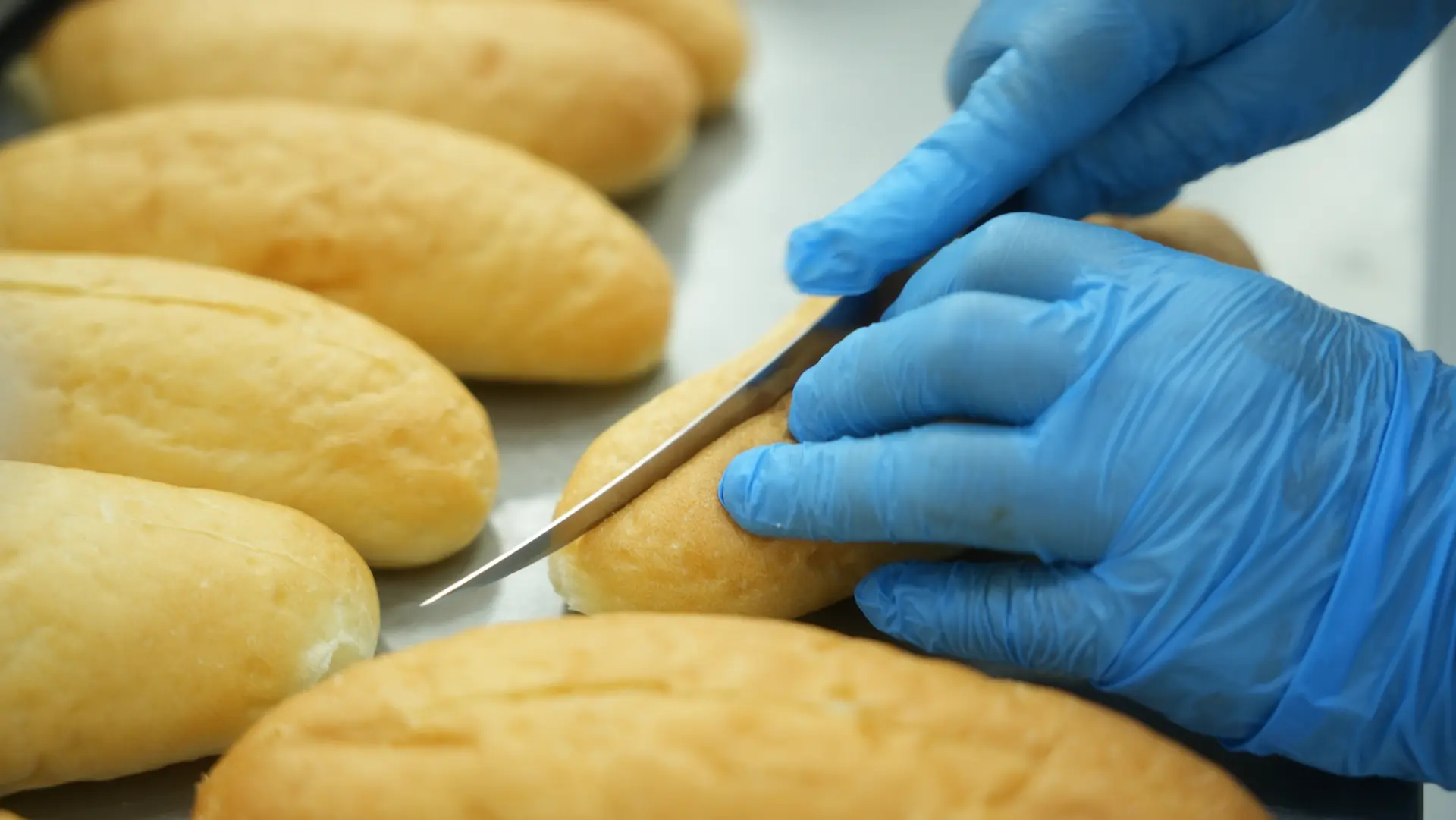
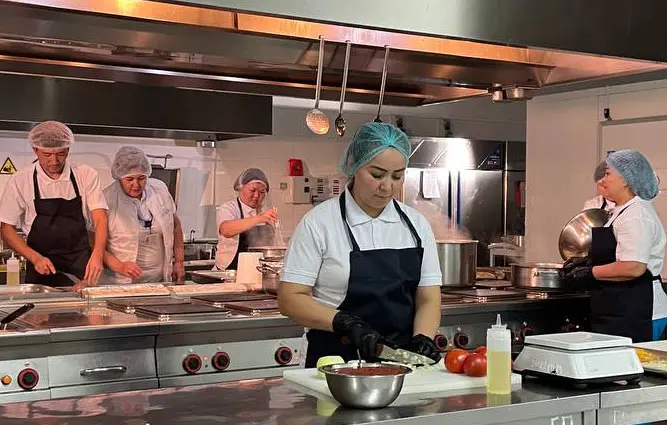
At the end, the passenger sees an ordinary cutlet or meat dish. Behind it, in production, there is a whole sequence of technological operations.
The dish has a route, and this is taken into account as well.When developing the menu, technologists look at the entire journey of the dish.
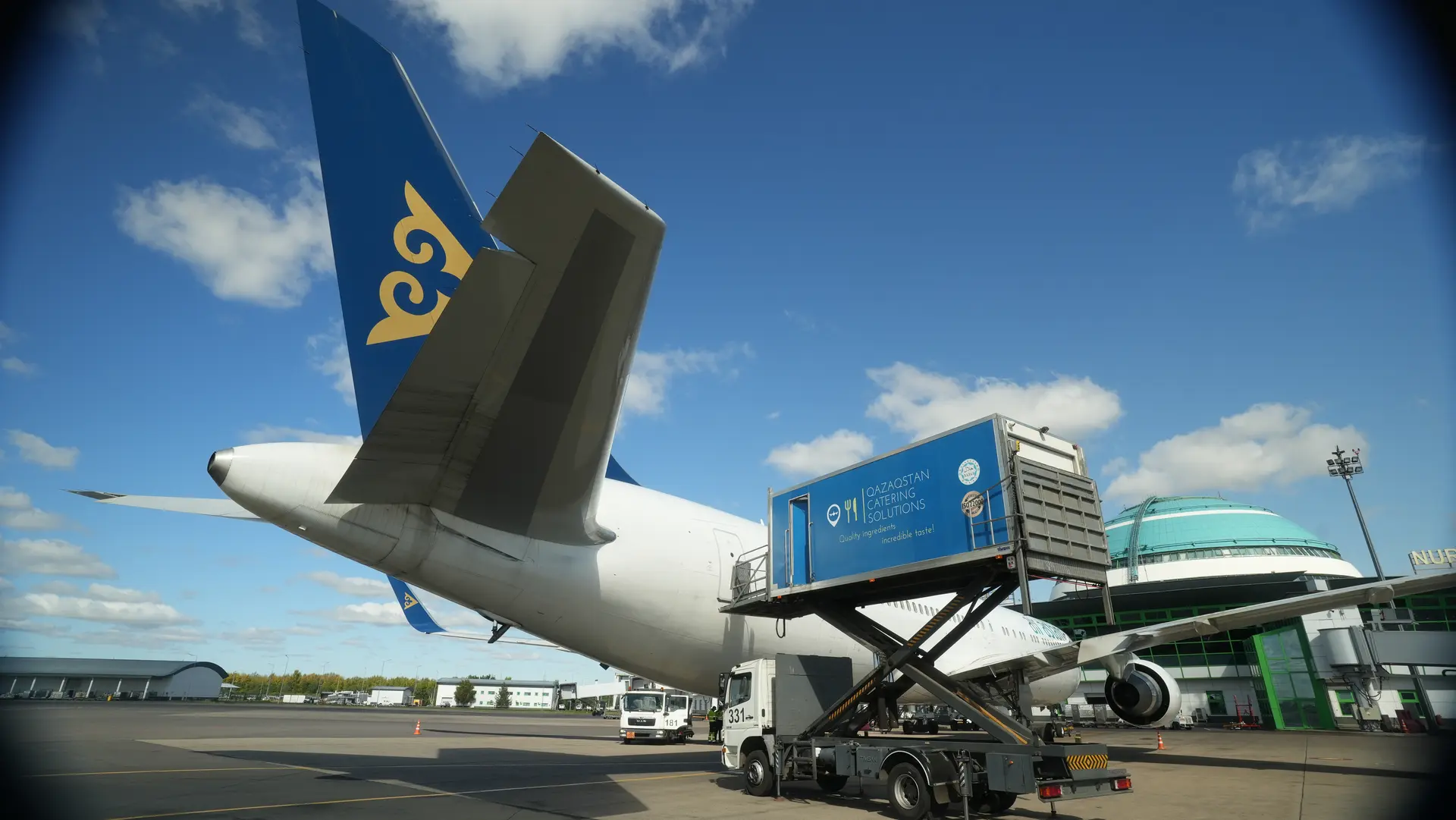
Preparation → cooling → packaging → transportation → loading onto the aircraft → storage → serving.
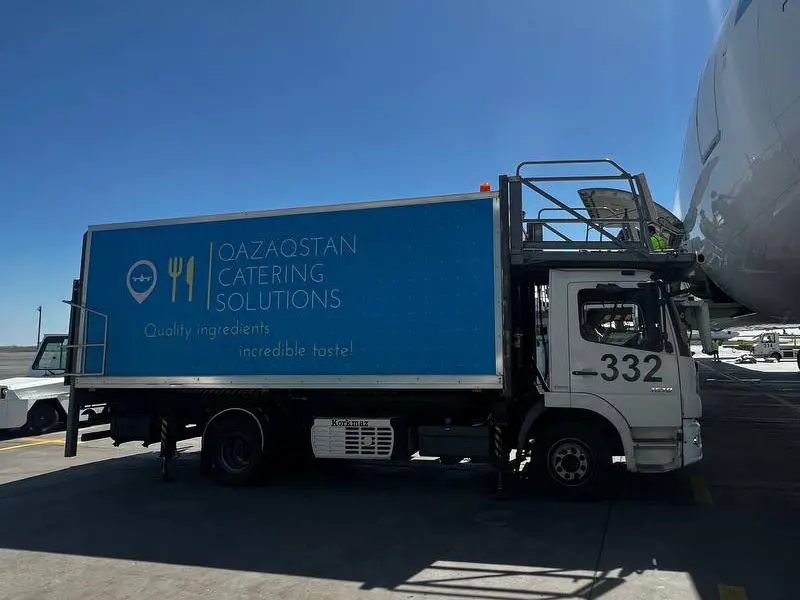
Each stage has its own requirements. For example, a dish should be able to withstand cooling well, and if it’s served hot, subsequent reheating. It’s important that the meat doesn’t become dry, the sauce doesn’t separate, and the side dish doesn’t lose its texture.
That’s why sometimes a product that isn’t the most difficult to prepare is removed from the menu — it’s the one that doesn’t hold up well after several hours of storage and reheating.
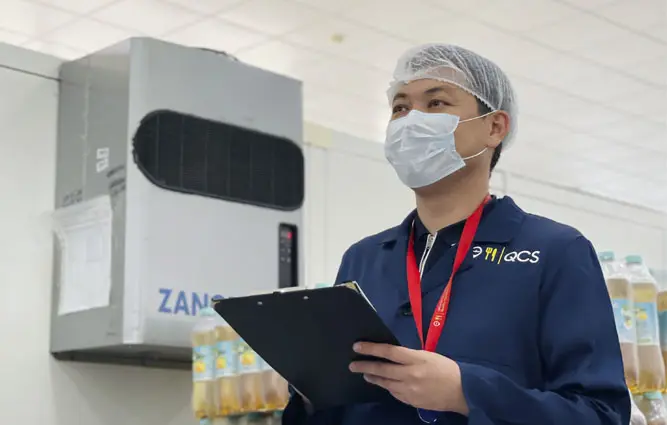
Why are the rules in air catering so strict?On a plane, there’s no way to replace a spoiled dish or quickly prepare a new portion on the spot. All food is loaded in advance, so errors at the production stage can affect a large number of passengers at once.
Hence the requirements for raw materials, preparation, temperature, shelf life, packaging, and transportation.
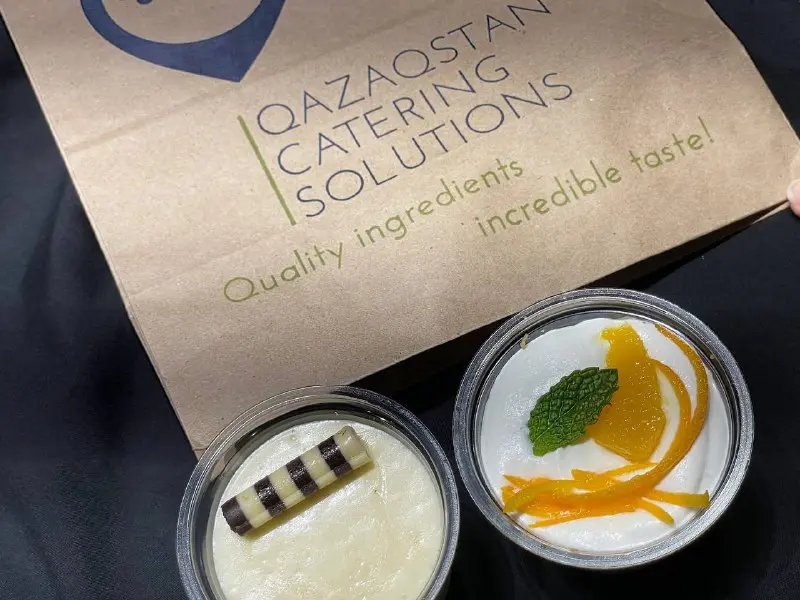
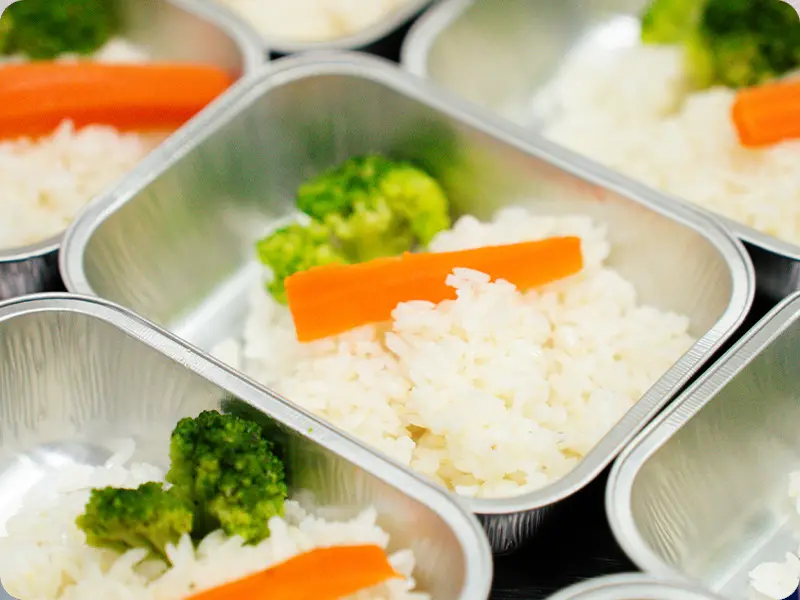
For the passenger, it looks simple: the lunch box is opened, and inside there is a hot dish, a salad, and a dessert. For air catering, this is the final point of a long technological chain. And that’s precisely why the on‑board menu is formed taking into account several factors at once: taste, recipe, safety, shelf life, transportation conditions, and how the dish will look and feel after reheating.
Sometimes a product doesn’t appear on the menu precisely because it doesn’t pass this check. And this is perhaps one of those details of air catering that passengers usually don’t even think about.