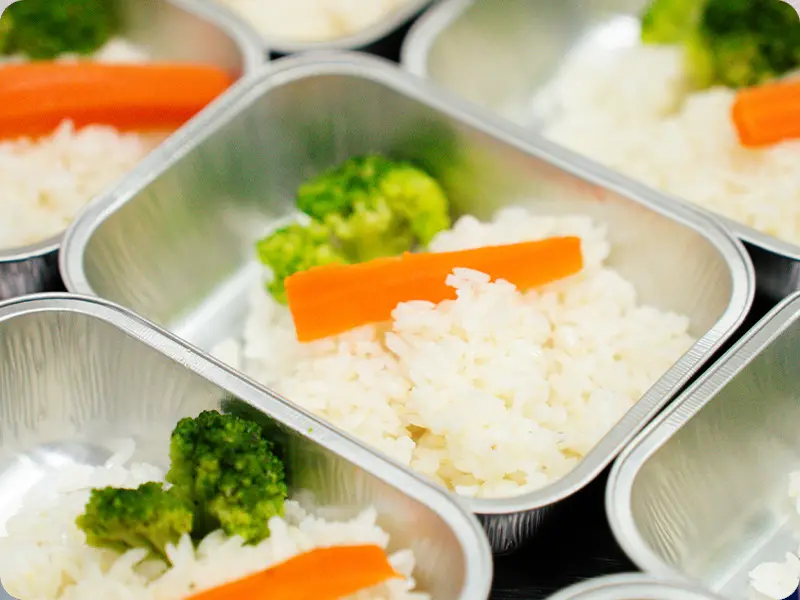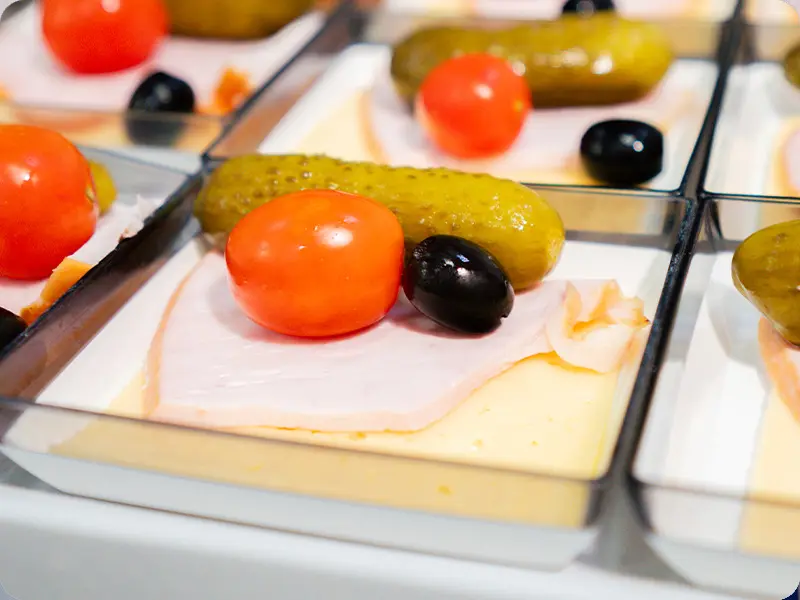

The passenger opens the lunch container already on the plane. But by this point, the dish has come a much longer way than it seems.
In aviation catering, it is important not just to prepare food. We need to ensure that the right number of servings is in the right place, at the right time, and in accordance with all safety requirements. Let's analyze this path using the example of one dish.
1. Preparation
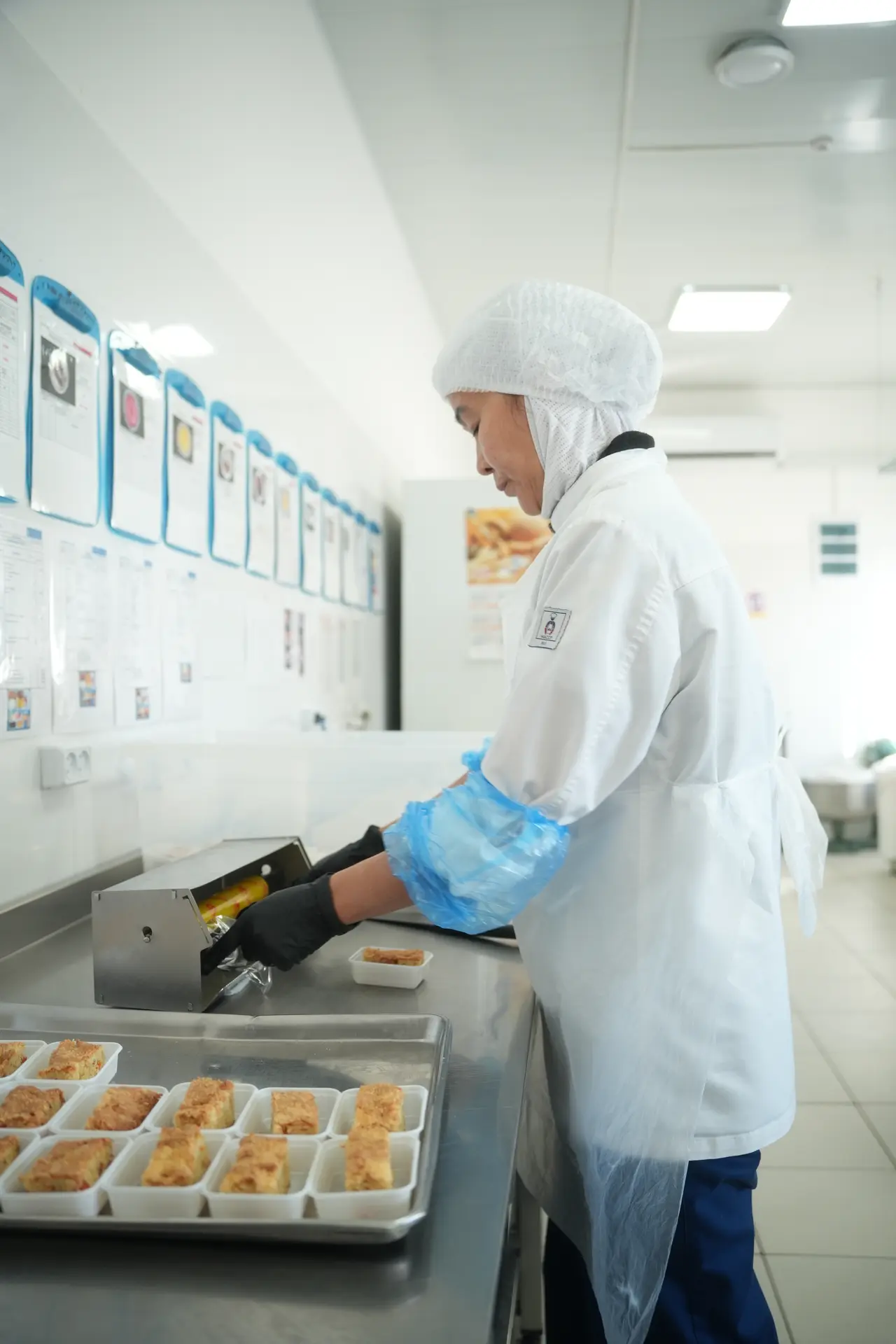
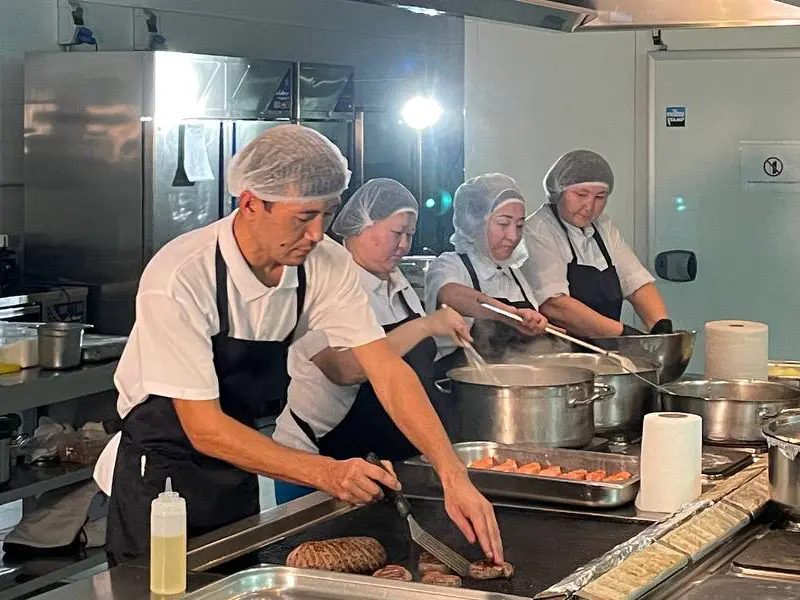
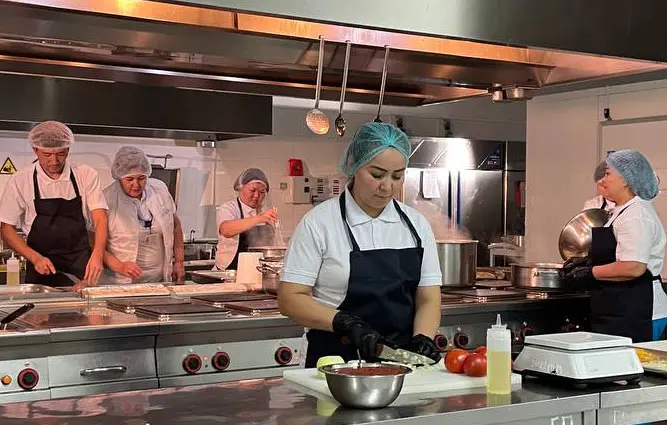
It all starts in production. The menu and volume are known in advance: the team understands how many portions will be needed for specific flights. The dishes are prepared according to approved recipes, and each stage of production is monitored.
At the same time, the aviation kitchen works with large volumes: we can talk about thousands of servings, which should be the same in recipe, weight and appearance.
2. Fast cooling
After cooking, the dish cannot simply be left to cool at room temperature.
It is quickly cooled to the required temperature, and this is one of the key steps that helps maintain product safety and quality.
Then the dish is sent for storage in the set temperature conditions until the moment of packing.
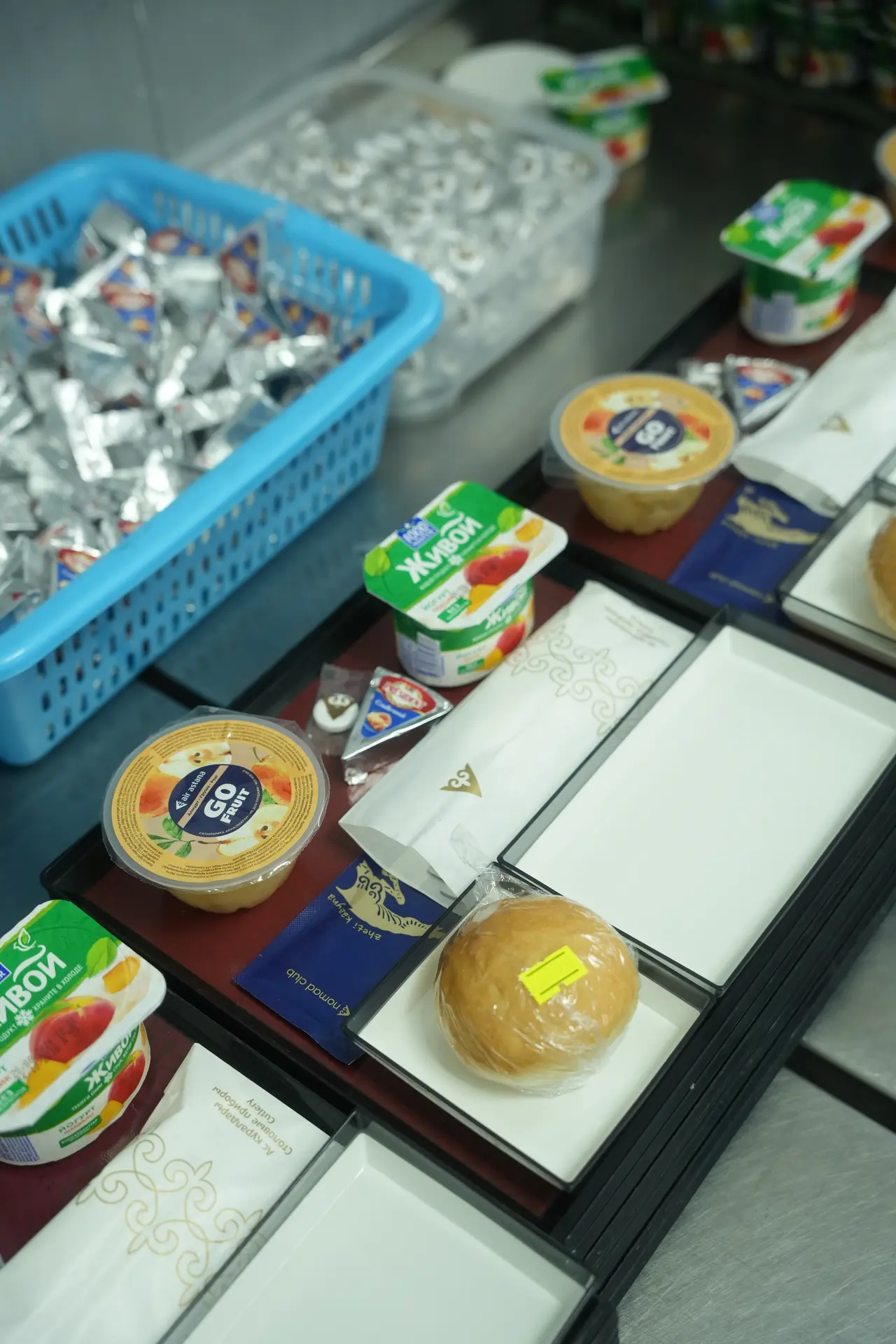
3. Now a separate dish becomes part of a full-fledged on-board meal.
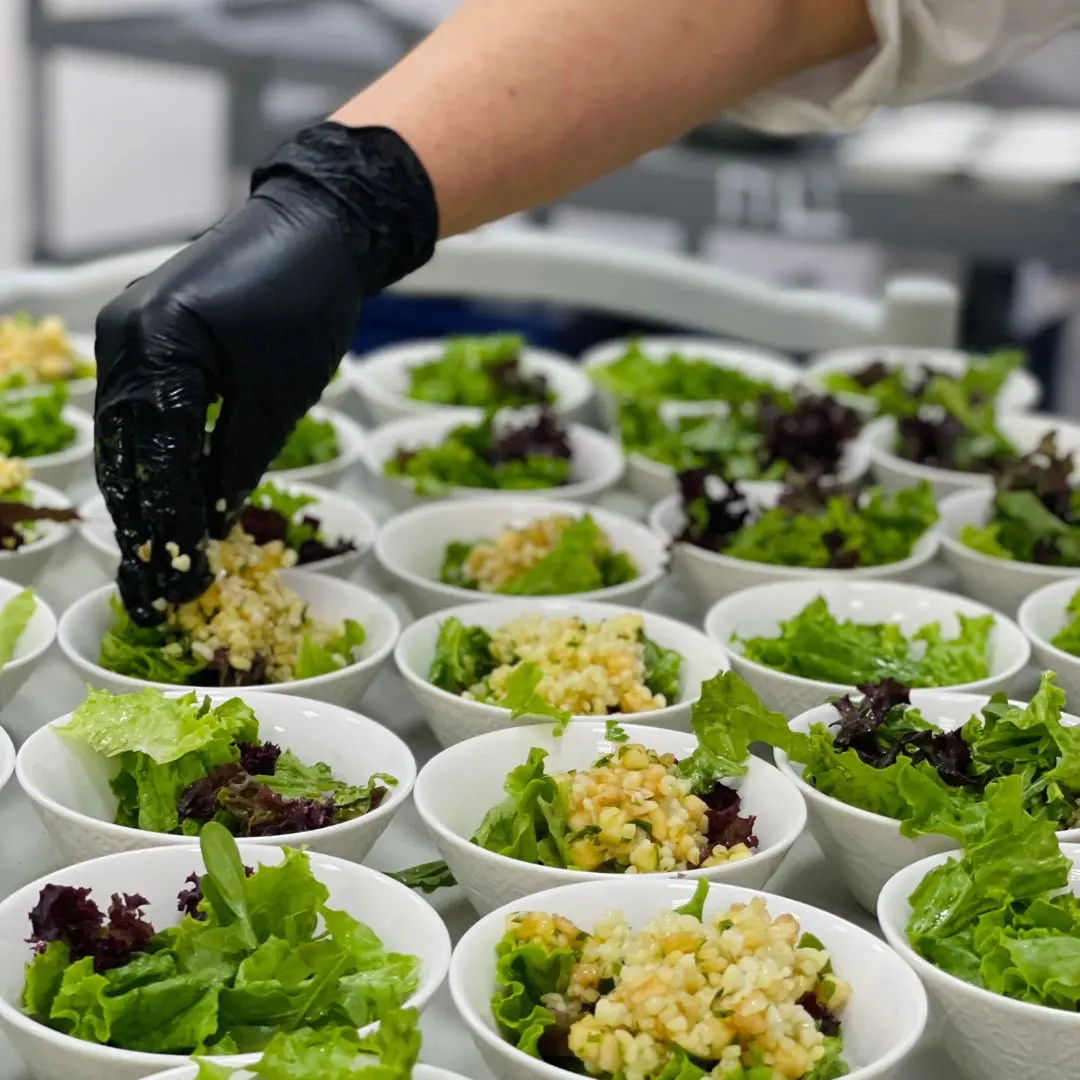
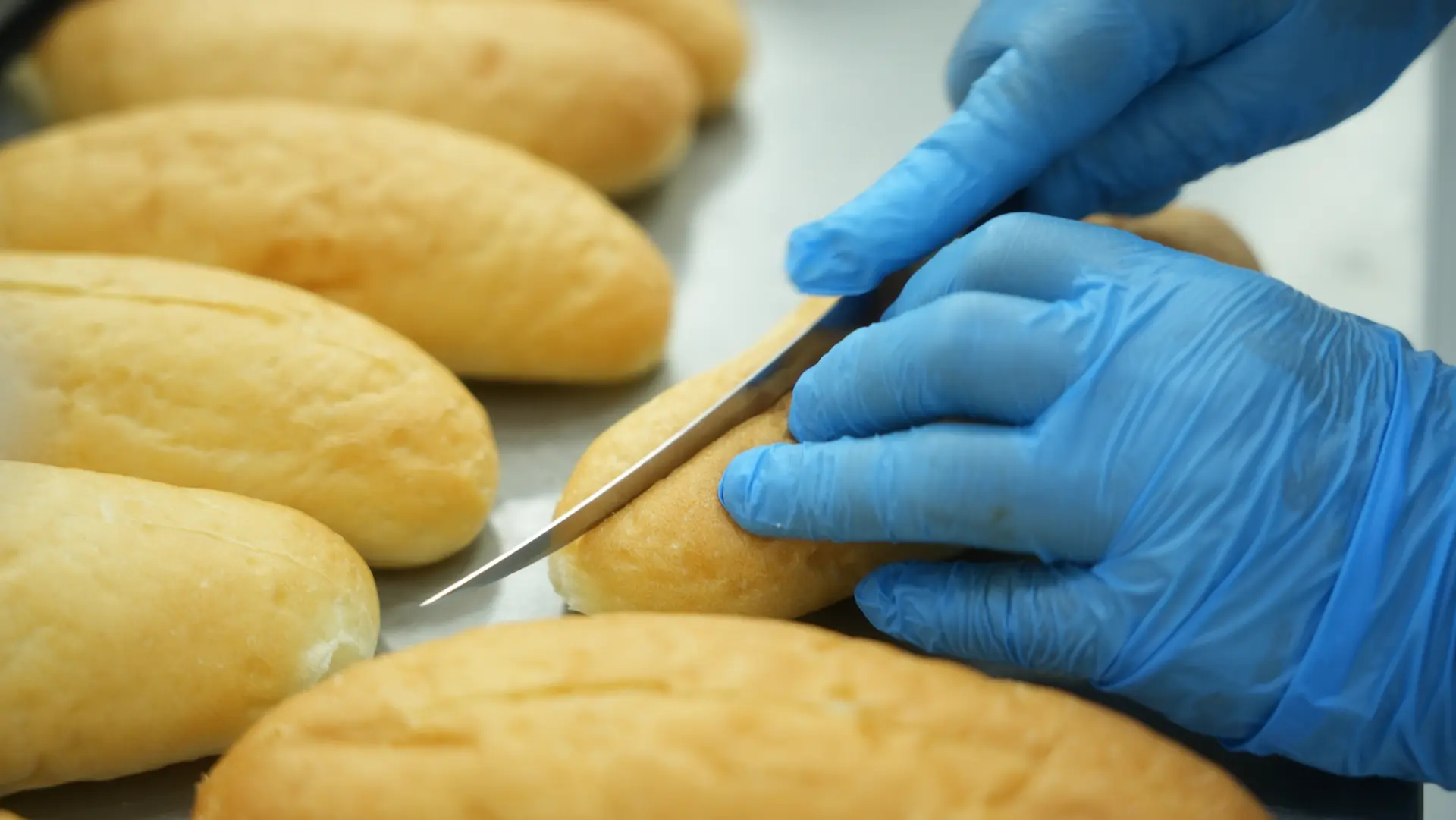
The rest of the items provided by the menu are added to it: side dish, salad, dessert, bread, appliances, drinks and other components.
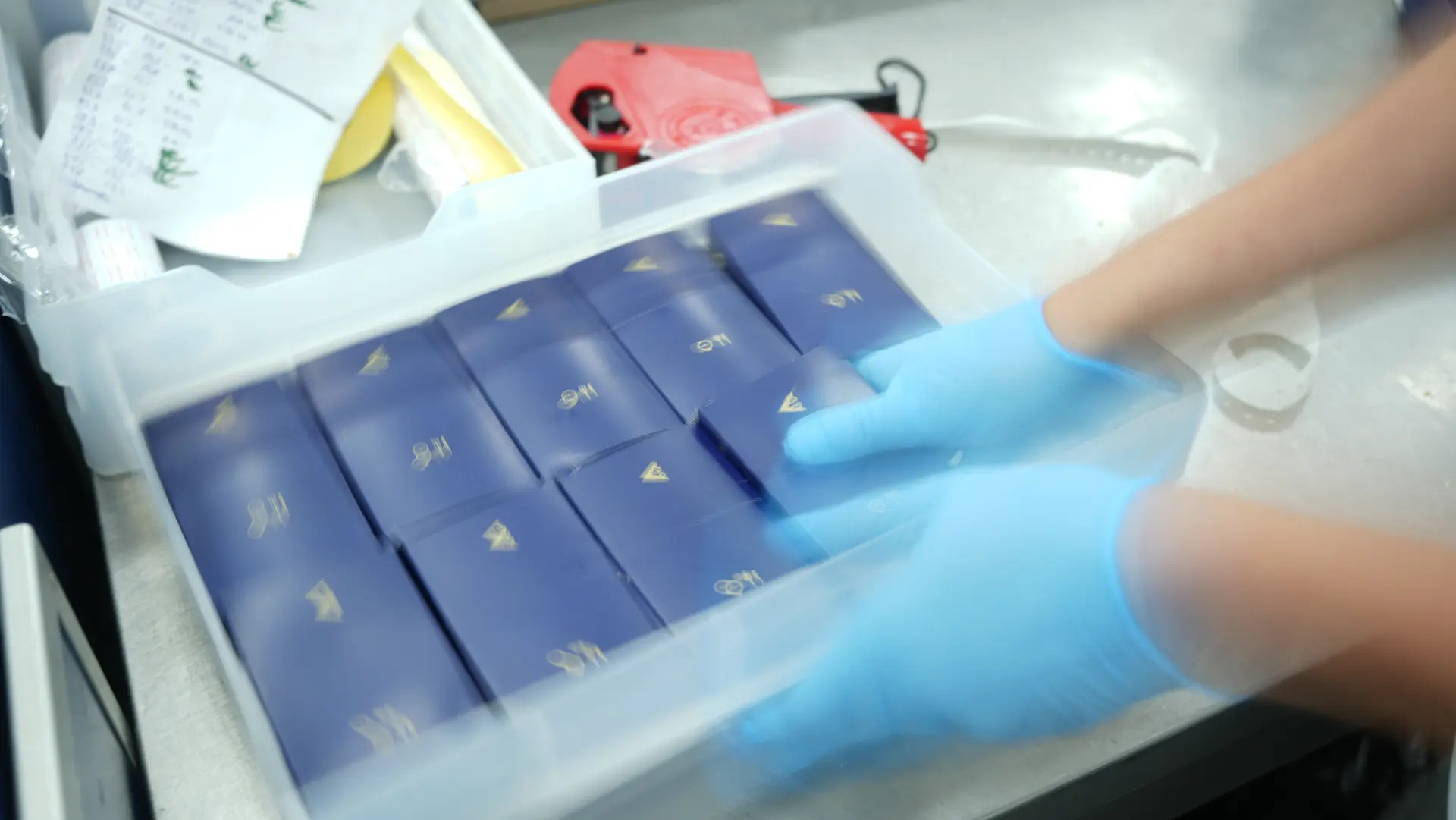
Accuracy is especially important here. Different sets are formed for each flight, taking into account the number of passengers, the class of service and the specific menu.
4. Control before shipping
Before the power supply leaves production, the equipment, labeling, temperature conditions and compliance with safety requirements are monitored.
An error at this stage can affect the entire flight, so the process is designed so that each order can be checked before shipment.
5. Airport delivery
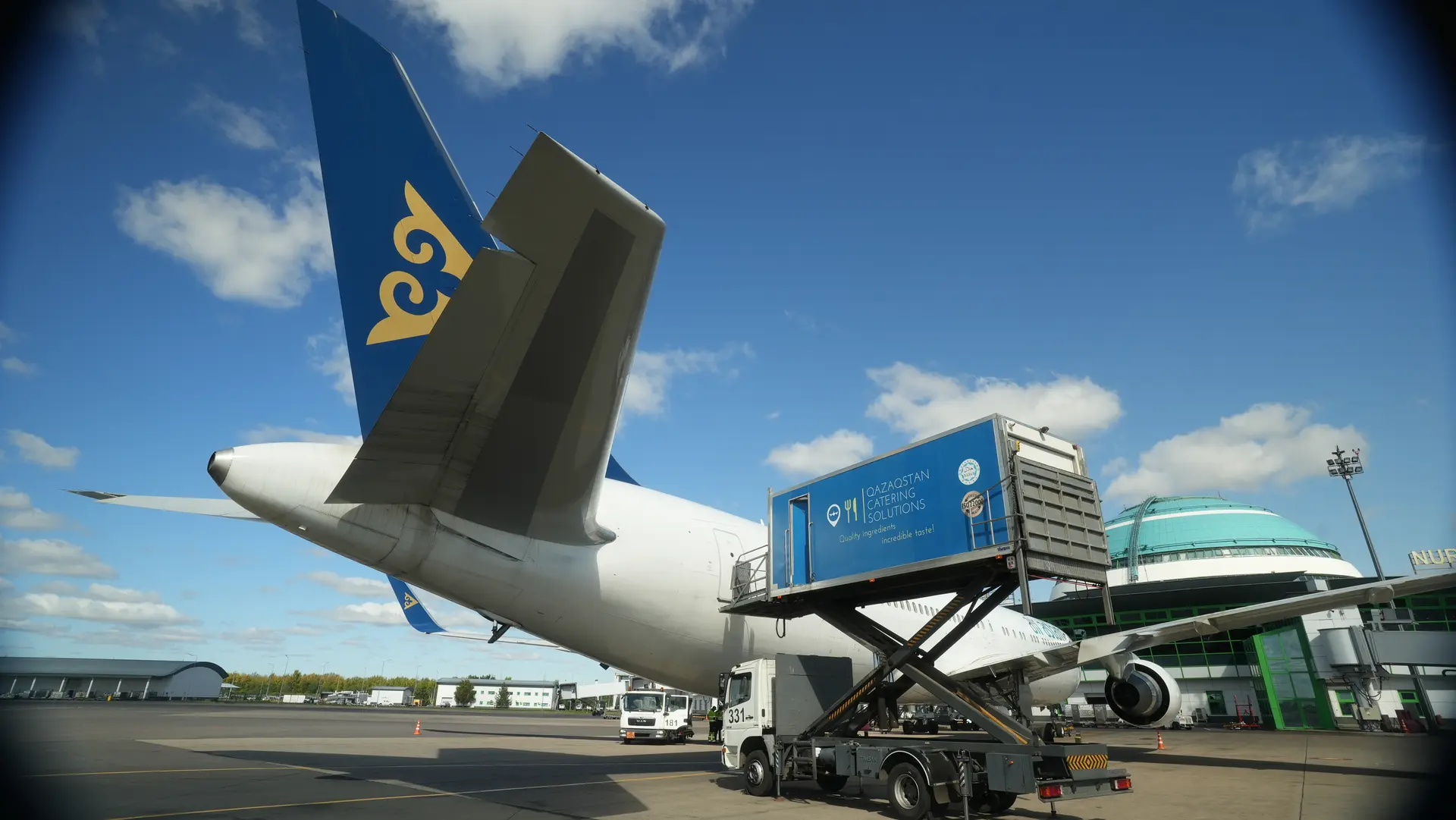
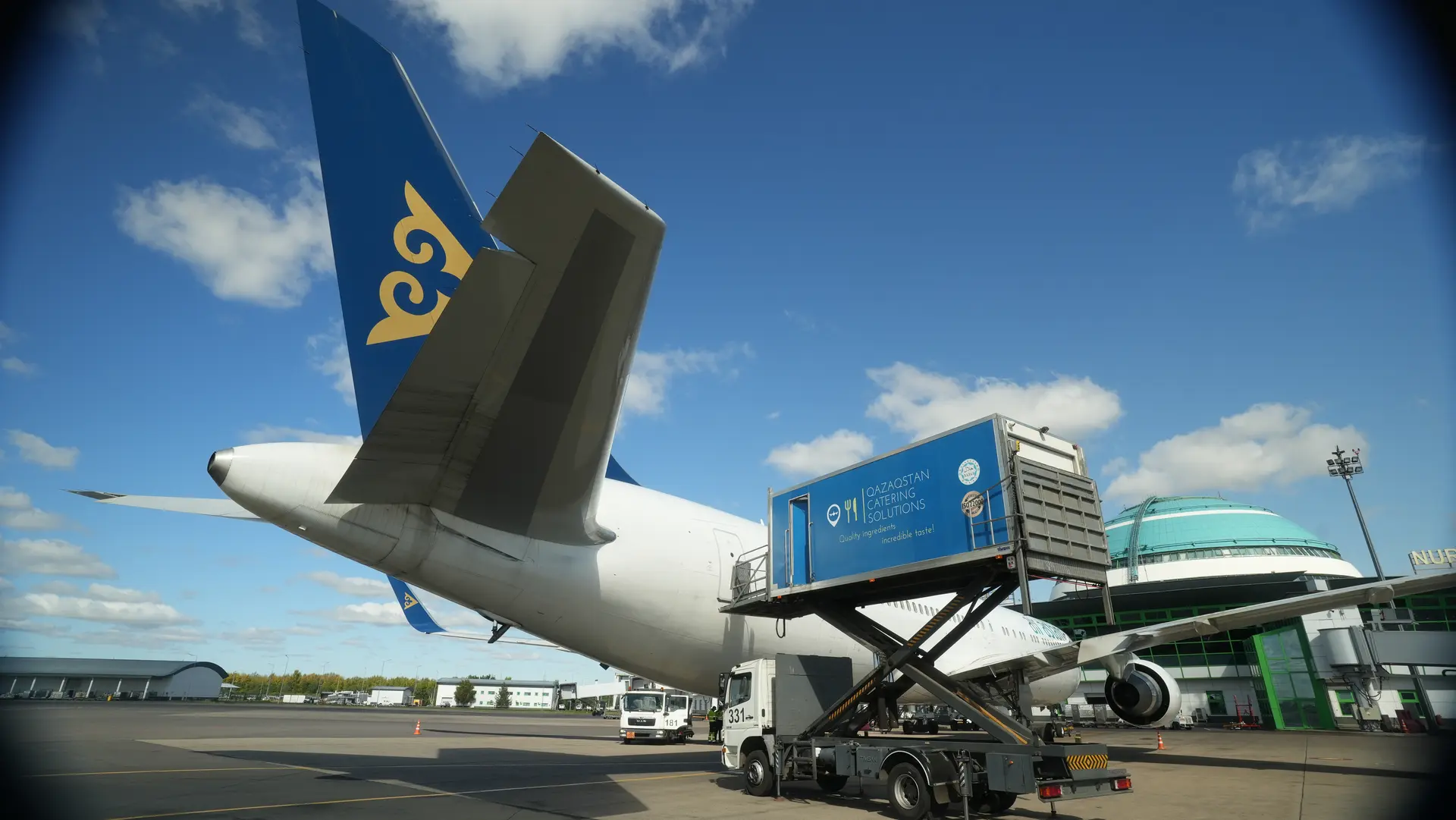
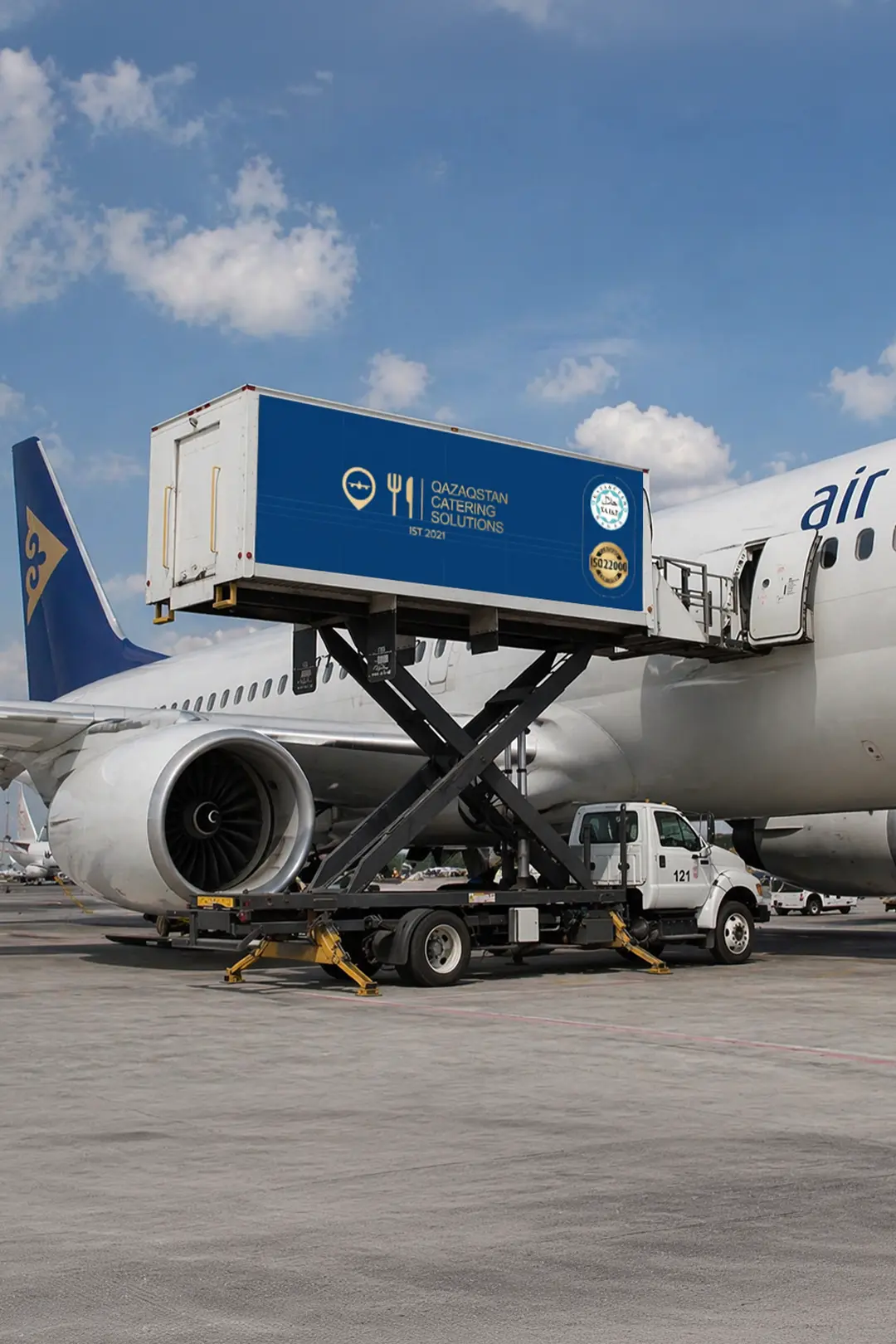
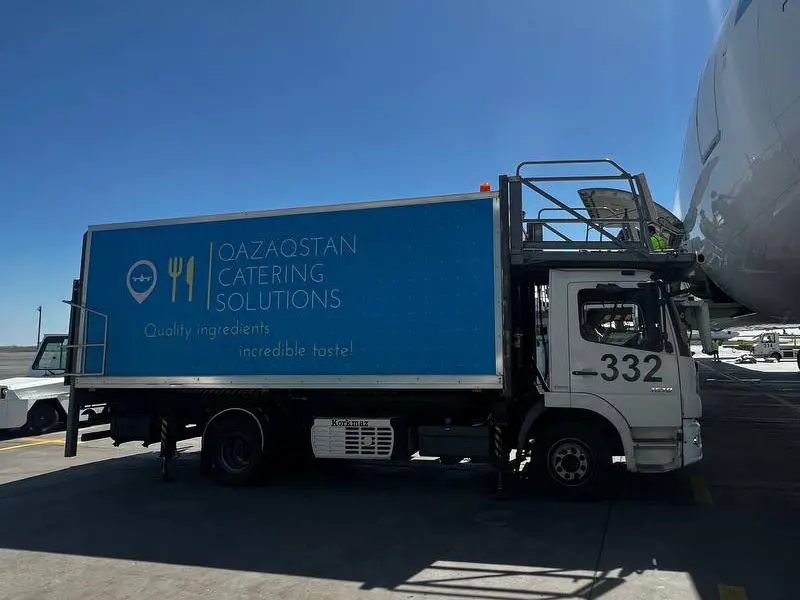
The finished food is loaded into a specialized transport and delivered to the aircraft.
Strict time and temperature control is also important here: meals must arrive at the aircraft in accordance with the established schedule and transportation requirements.
6. Loading on board
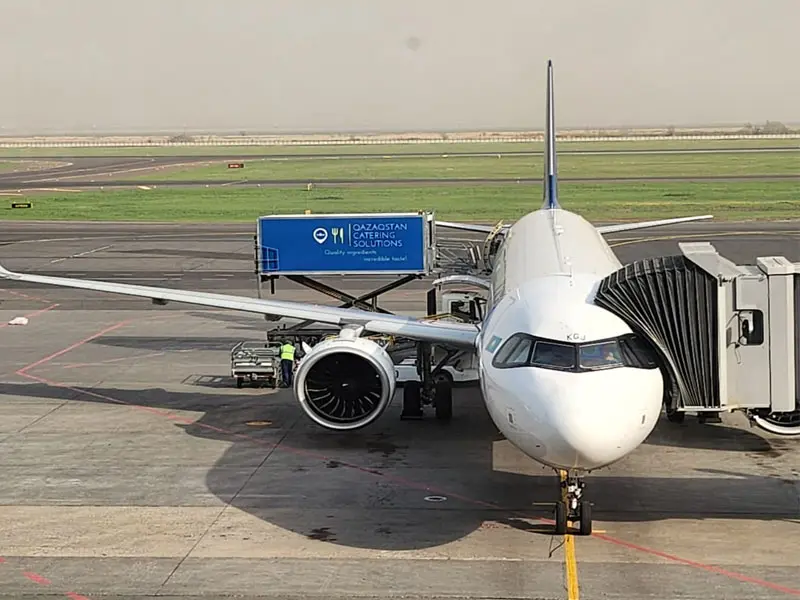
The last stage is the transfer of power to the crew and loading on board.
After that, the passenger sees the final result.: A neatly assembled set that can be opened during the flight.
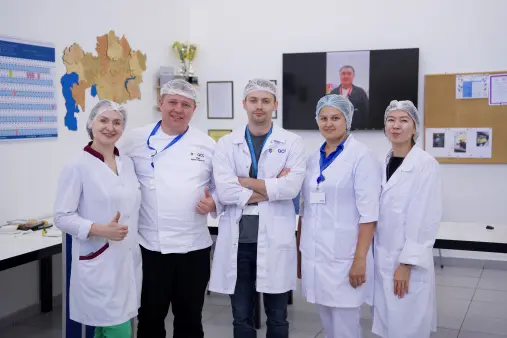
But there is a whole chain behind one such portion — from production and technologists to specialists in configuration, control and logistics.
Why is every minute important in aviation nutrition?
Because the plane can't wait for the kitchen to finish working. Meals must be prepared, cooled, assembled, checked, and delivered to a specific flight at a specific time.
That is why aviation catering is both a kitchen, a production and a complex logistics system, where each stage is connected with the next.
And the journey of one serving to the passenger begins long before the plane leaves the ground.