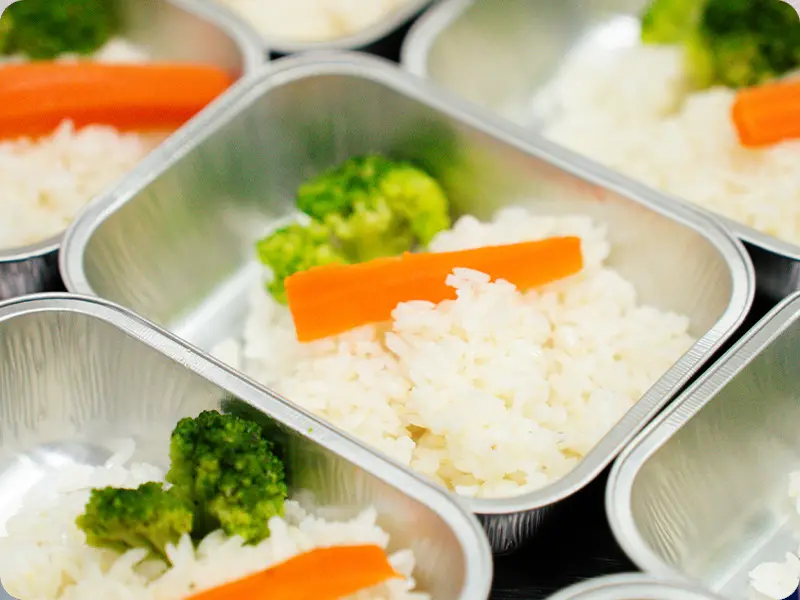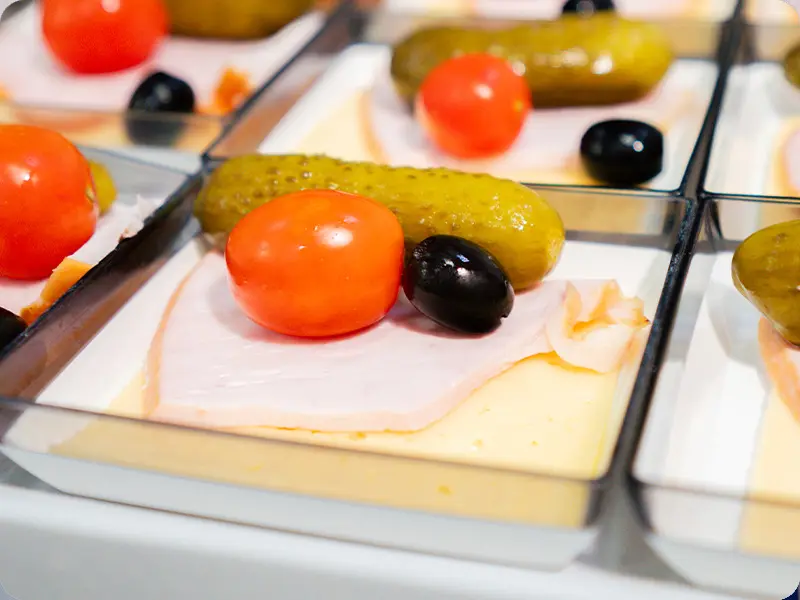

The first on-board catering appeared in 1919 on a Handley Page Transport flight from London to Paris. The menu was simple: sandwiches, fruit, and cola. Passengers bought all this for a fee. Already in the 1930s, warmed-up food began to be loaded on board: British Imperial Airways offered hot dishes, and in the United States, United Airlines experimented with portable ovens. After the Second World War, when airtight cabins and onboard kitchens appeared, the real gastronomic “era of the sky" began. In the 50s and 60s, flying was a privilege. And the menu reflected the privilege of such a trip. The flights served lobsters, baked pheasants and champagne, all on real porcelain. The flight attendants sliced meat right next to the passengers' seats, and coffee was served in porcelain cups. The on-board menu was made up of hotel chefs and even consultants from Michelin-starred restaurants. For example, in 1973, the Union de Transports Aériens brought in Chef Oliver Raymond to develop the menu.
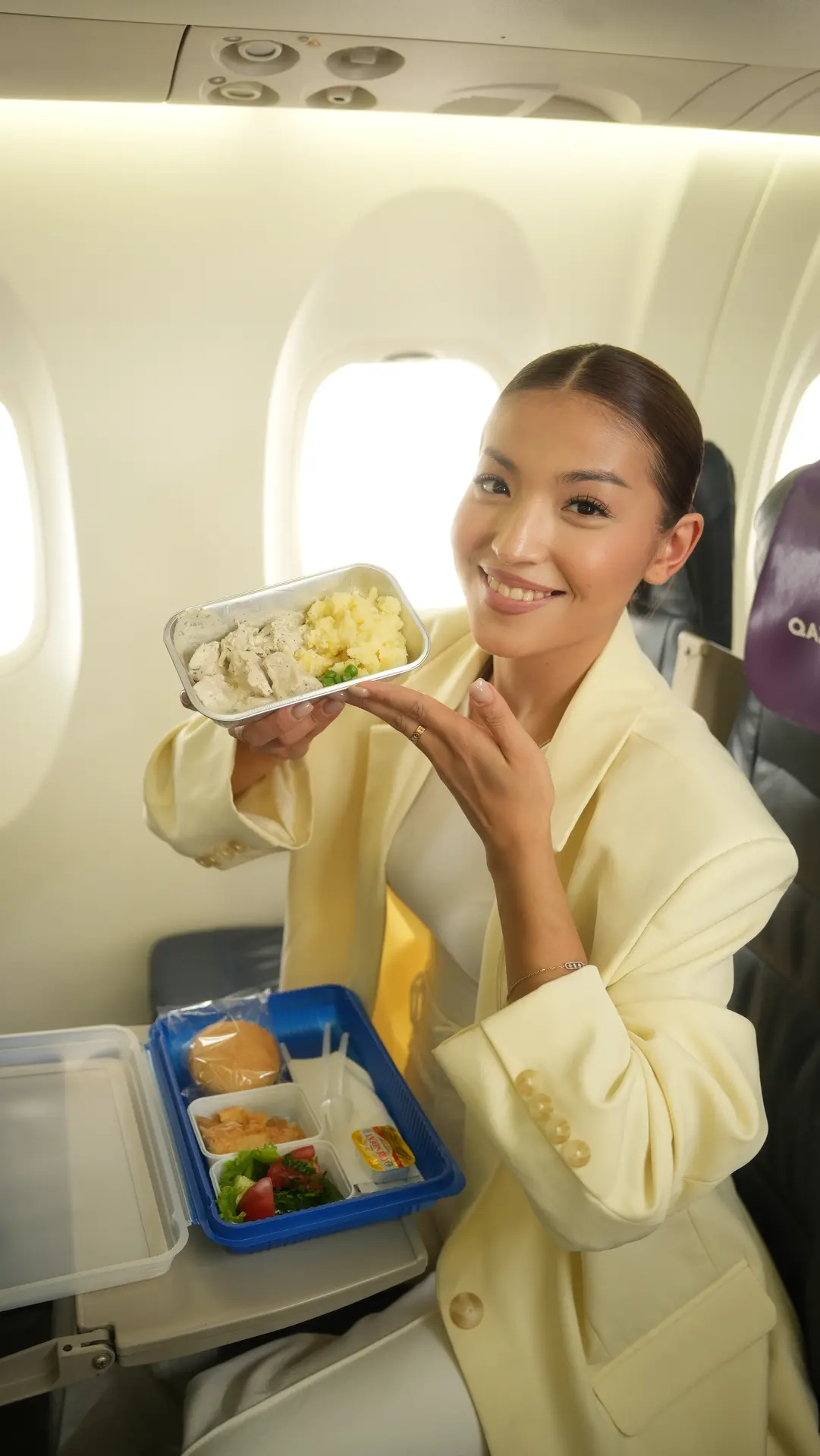
But in the 70s and 80s, the situation changed dramatically. With massive air travel and cheaper tickets, the “tray era” began, with standard menus in plastic containers and universal recipes for hundreds of servings. At the same time, the expression “chicken or beef?(“chicken or beef?”), as a symbol of simplified on-board power supply. Today, airlines have rethought their approach to food again. Luxury has faded into the background, and now companies are primarily concerned about the comfort and health of their passengers. On board, you can find organic products, gluten-free and vegetarian sets, as well as kosher or Muslim ones. Some airlines even cooperate with nutritionists to minimize puffiness and fatigue from flights.
The evolution of on-board catering is a story about how not only technology is changing, but also tastes, attitudes towards consumption and the consumer. From silver spoons to biodegradable appliances, from lobsters to quinoa and smoothies. From wanting to stand out even in the sky to understanding what is most important to passengers.