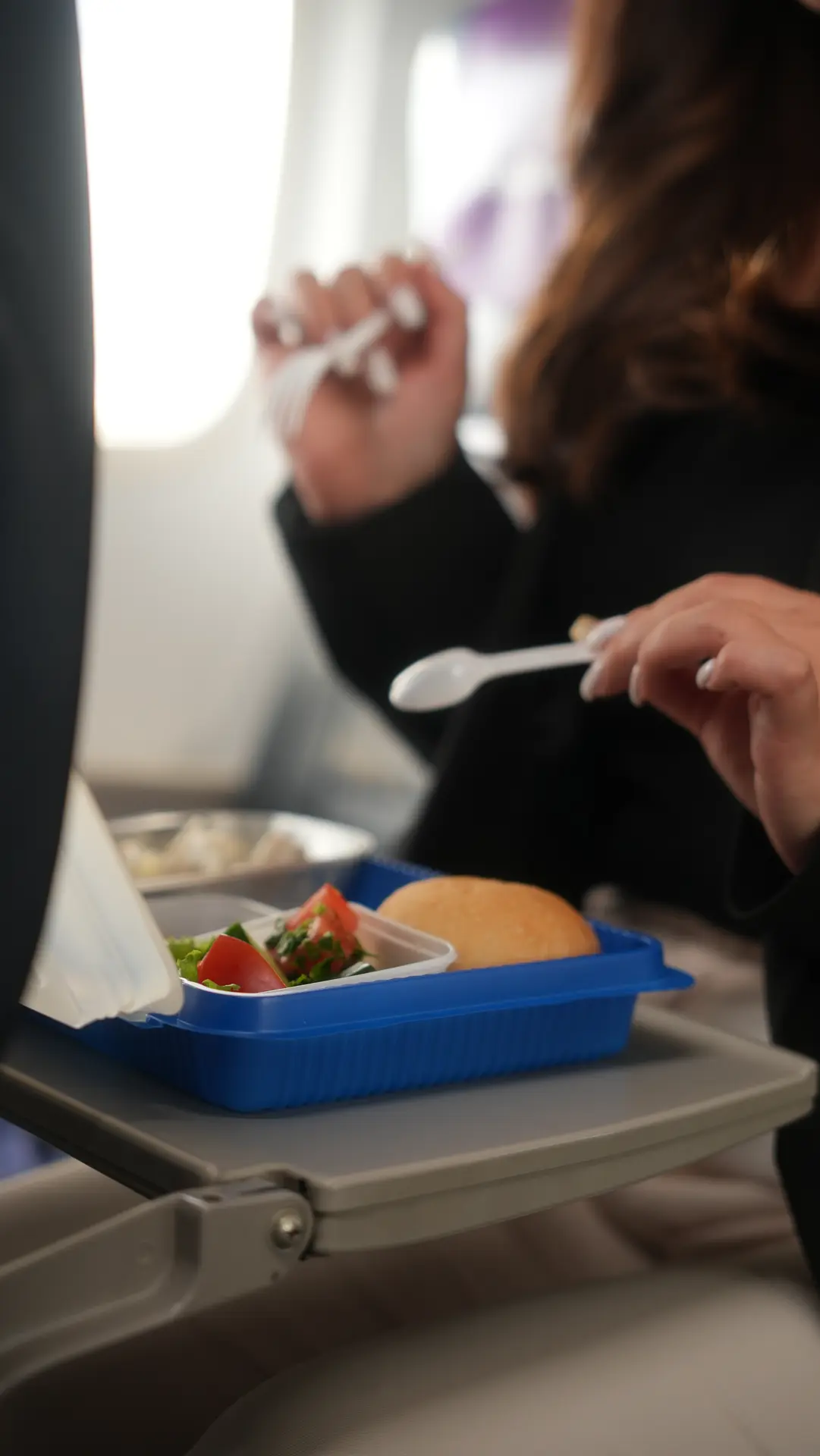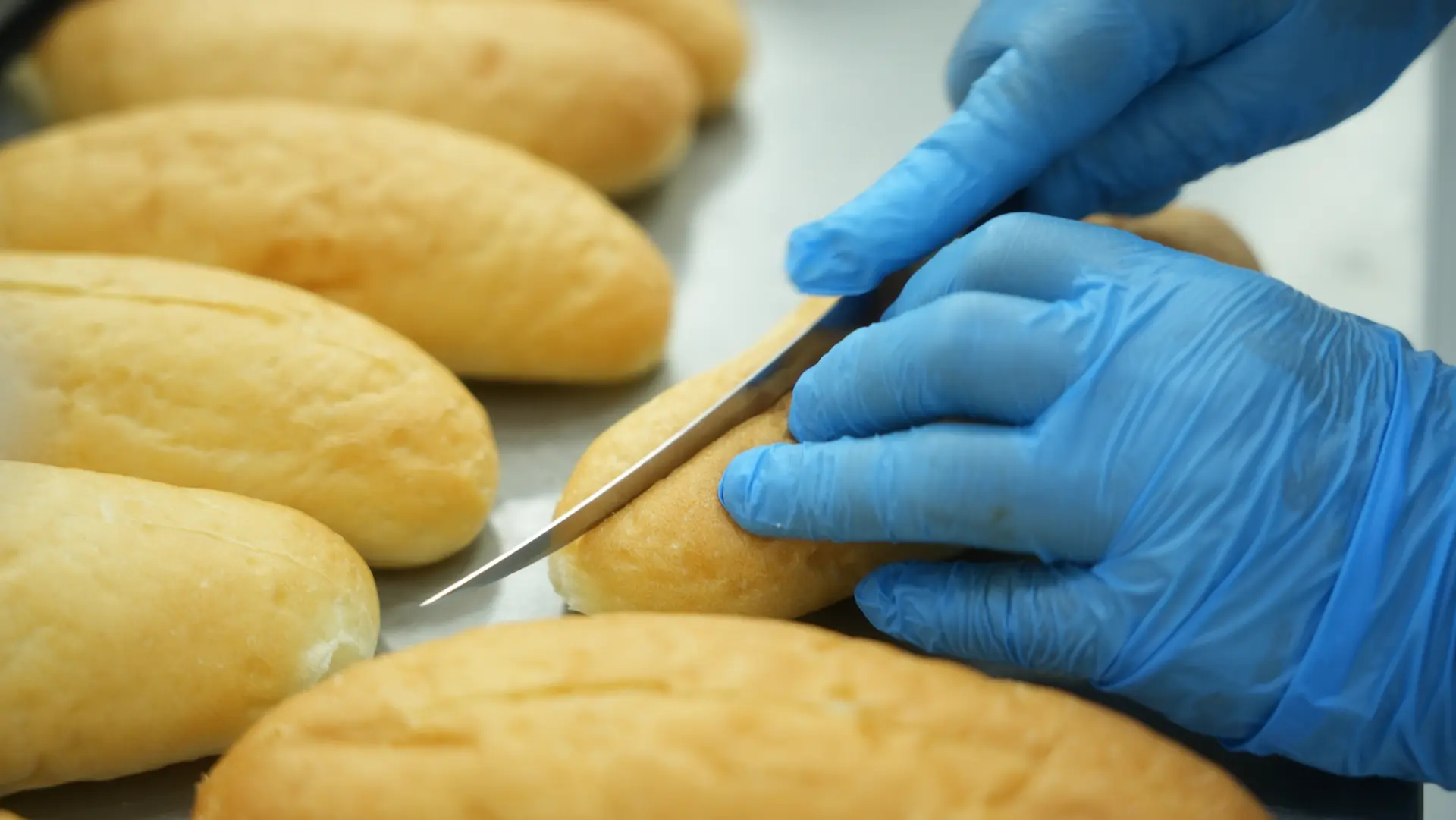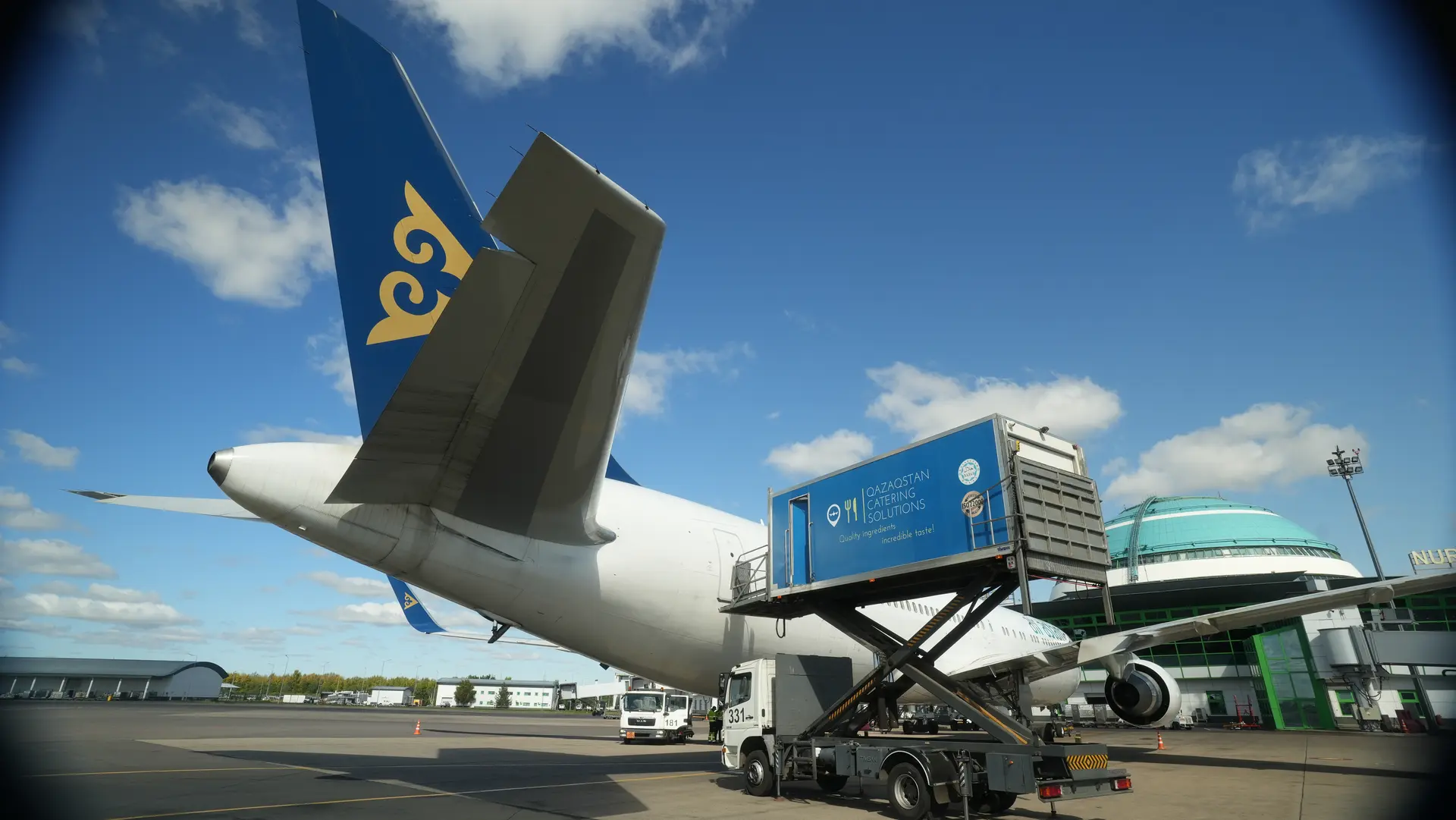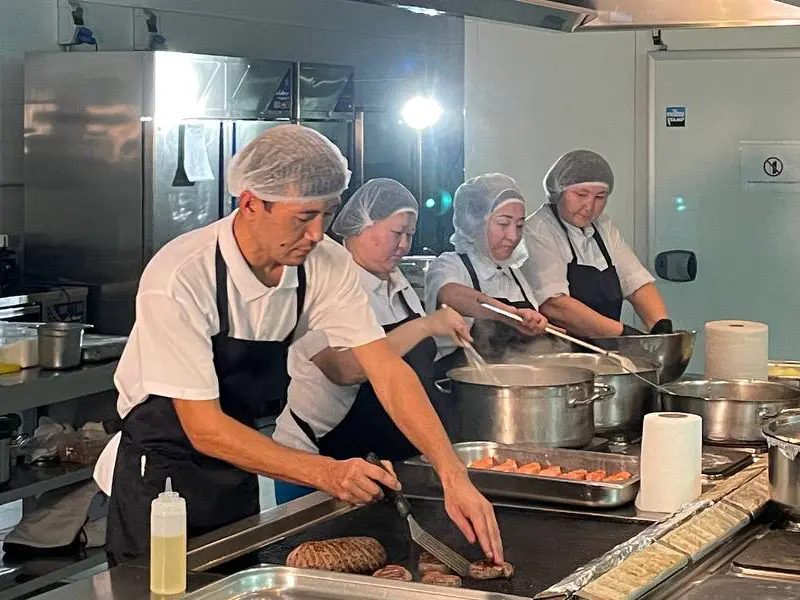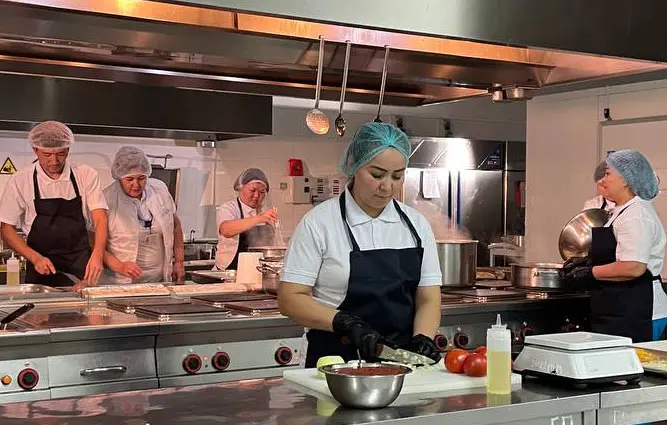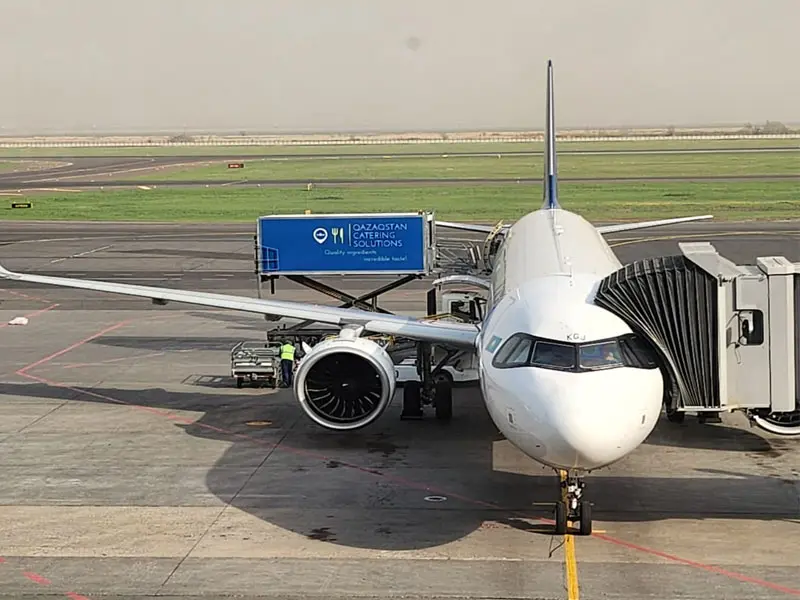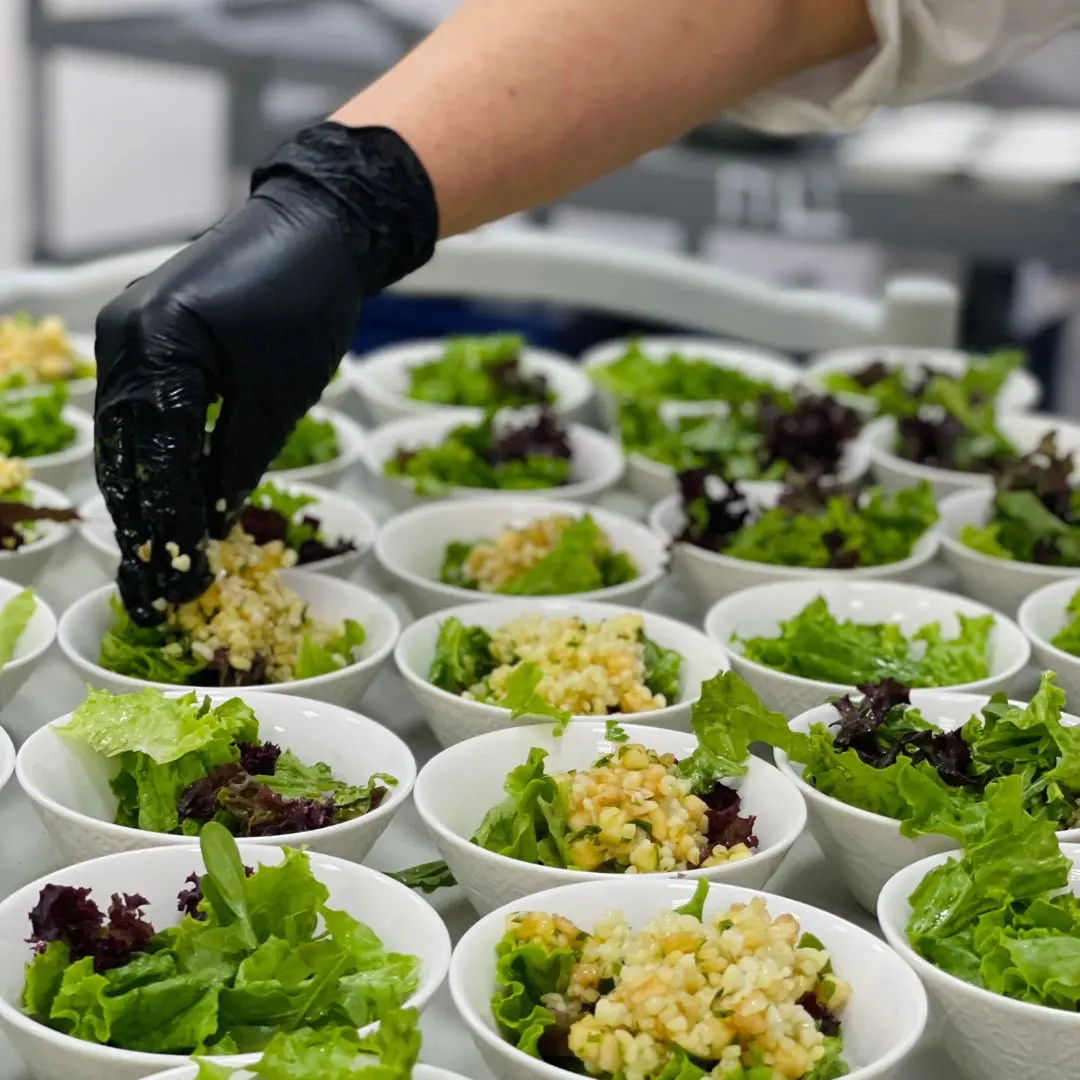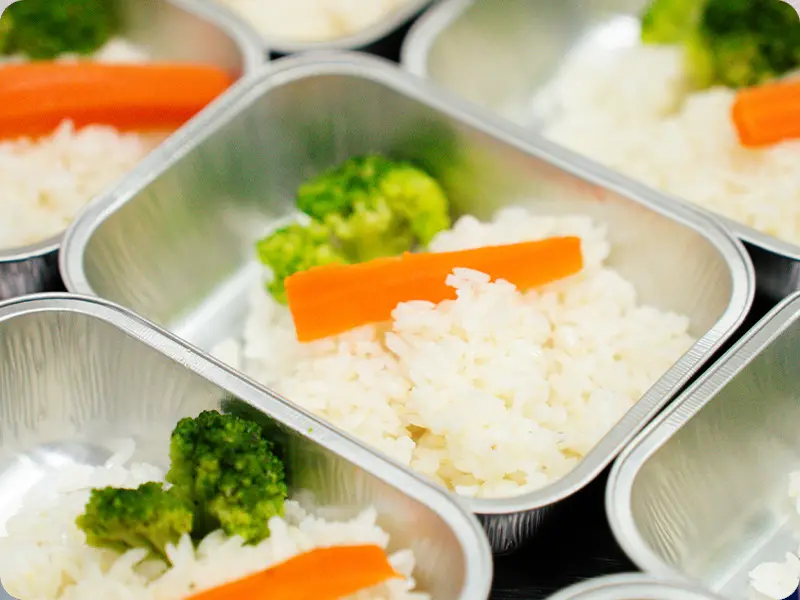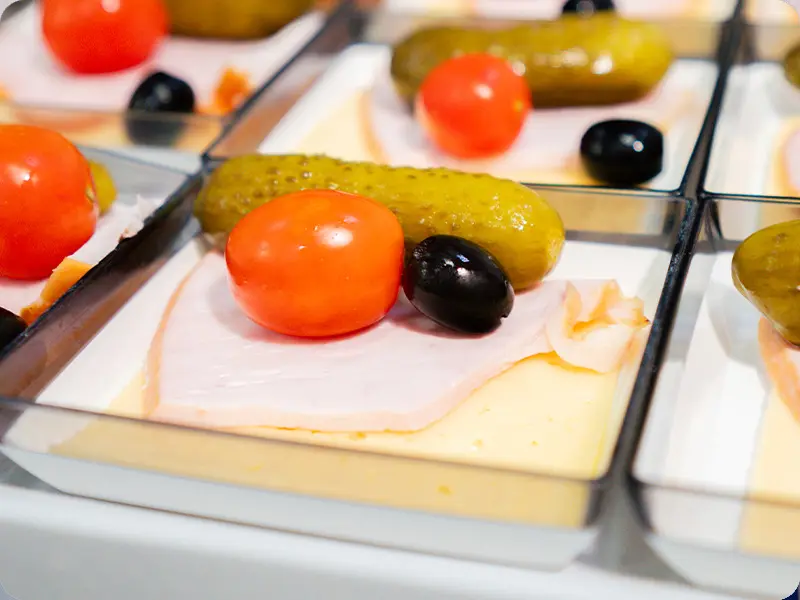

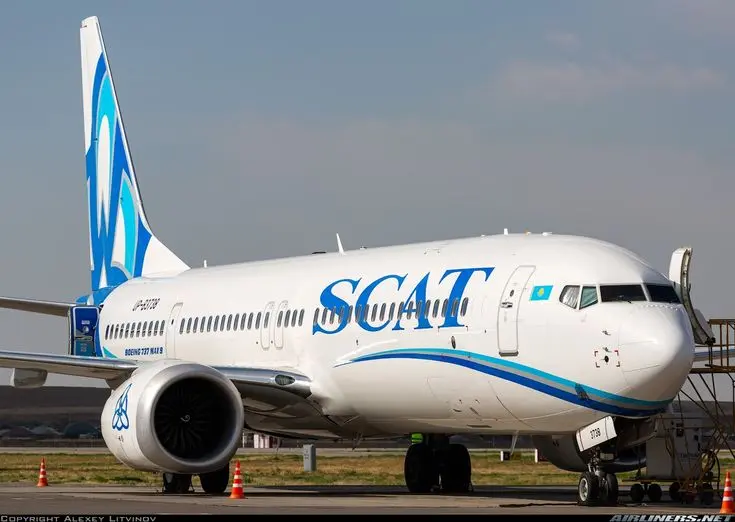
Have you noticed that the food on the plane often seems bland? It's not really the cooks' fault, it's just physics. At an altitude of 10,000 meters, our body works a little differently, and this makes life a little more difficult for pastry chefs.
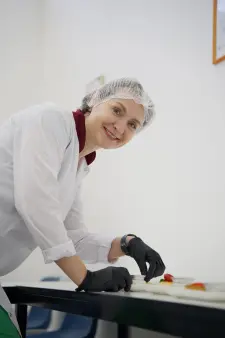
If you take an amazing dessert from a good city restaurant and serve it on board, the passenger is likely to be disappointed. He will find it dry, expressionless and too simple. We tell you why this happens and how on-board pastry chefs have to reassemble classic recipes so that they are delicious in the sky.
What happens to our receptors in flight?As soon as the plane gains altitude, the microclimate in the cabin changes. And it's a real stress test for our senses.:
- The humidity on board drops to 10-12%. In such conditions, the nasal and oral mucosa dries up instantly, and without natural moisture, the receptors simply cannot read tastes properly.
- Low blood pressure dulls the sense of smell (and we perceive taste with our nose by almost 80%). In addition, the constant hum of engines overloads the brain, and it begins to process the signals coming from the tongue worse.
Summary: At altitude, we lose about 30% sensitivity to sweet and salty . Interestingly, we continue to feel sour, bitter, and pungent in much the same way as we do on earth.
How to adapt recipes for on-board mealsAn aviation pastry chef can't just add one and a half times as much sugar to the cream. Firstly, it's harmful (digestion slows down in flight anyway), and secondly, dessert will become cloying and heavy. Therefore, we have to find other ways and redesign technological maps.:
1. A bet on sourness
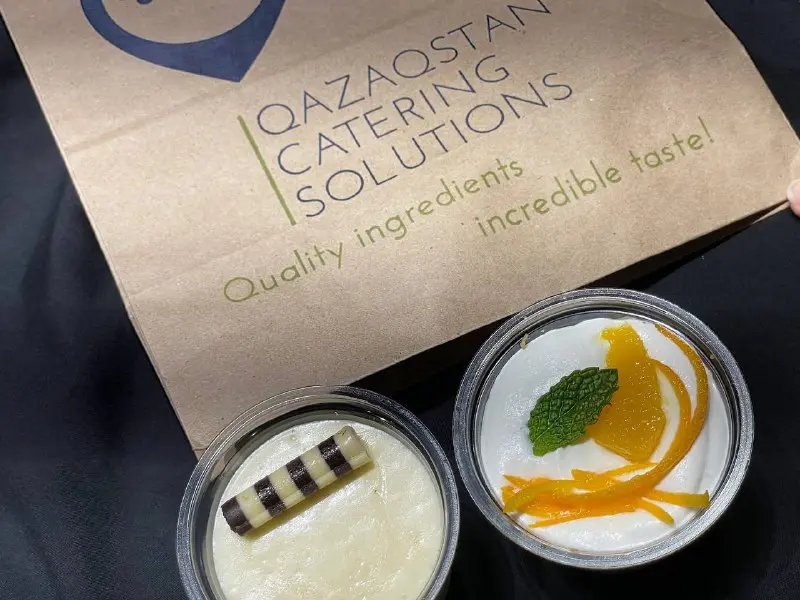
Since the receptors in the palate do not lose sensitivity to sour taste, the confectionery hits on board are everything where there is lemon, lime, passion fruit, cherry or raspberry. Berry and citrus accents "wake up" the taste buds and draw out the whole dessert.
2. Natural sweetness and spices
Instead of regular sugar, technologists use concentrated fruit purees, honey and syrups. Spices like vanilla, cinnamon, cardamom, or zest also work great. They create a strong flavor that the brain associates with sweetness, even if there is objectively little sugar in the dessert.
3. Fighting dehydration
The dry cabin air dries the confectionery products quickly. Classic dry biscuits are taboo here — they will turn into cardboard in flight. On-board pastry chefs focus on moist textures: saturated cupcakes with impregnation, mousses, souffles, jellies and custards. They retain their juiciness even in a dry interior.
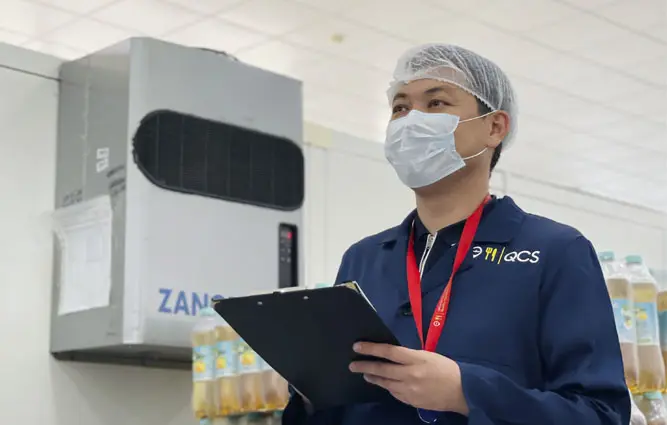
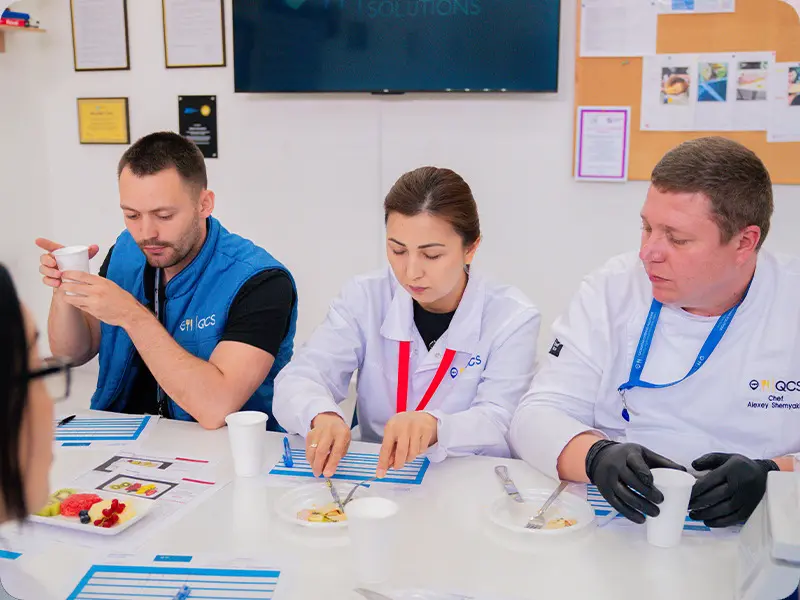
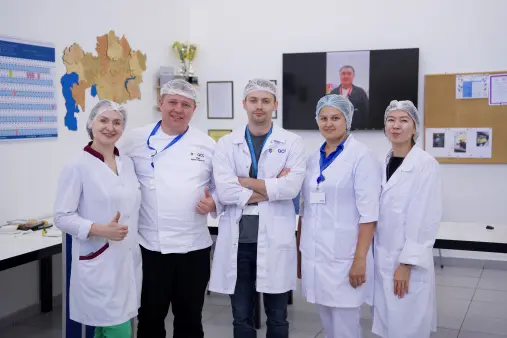
Confectionery engineeringThe development of desserts for on—board meals is always a search for a compromise between strict aviation safety regulations, physics and taste. Each cake passes stability tests: it must not only survive the pressure drop, but also maintain its perfect texture by the time the flight attendant offers you tea.