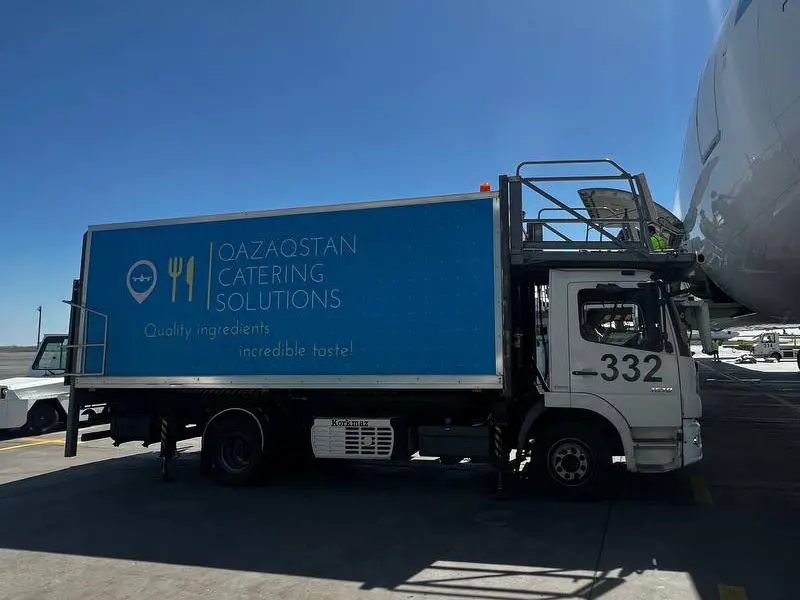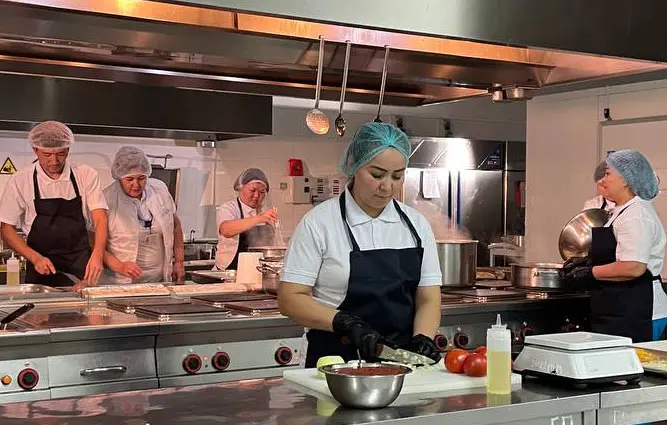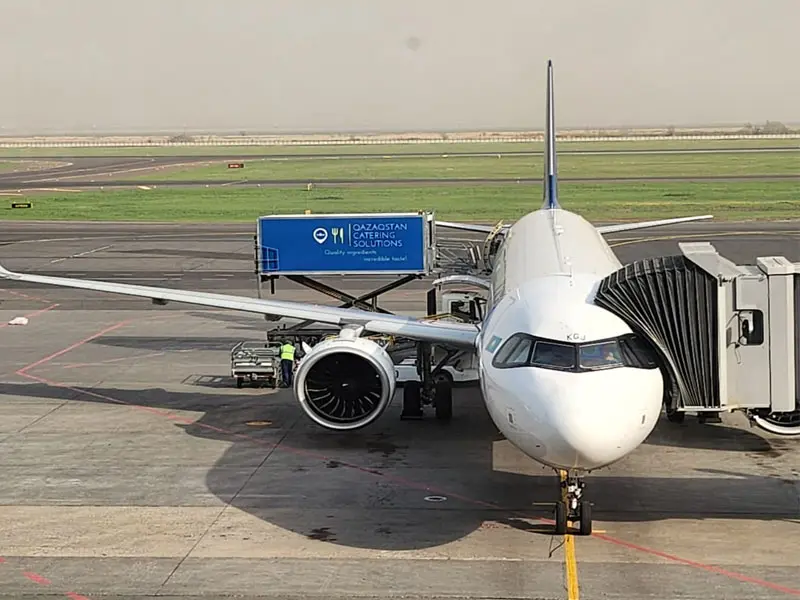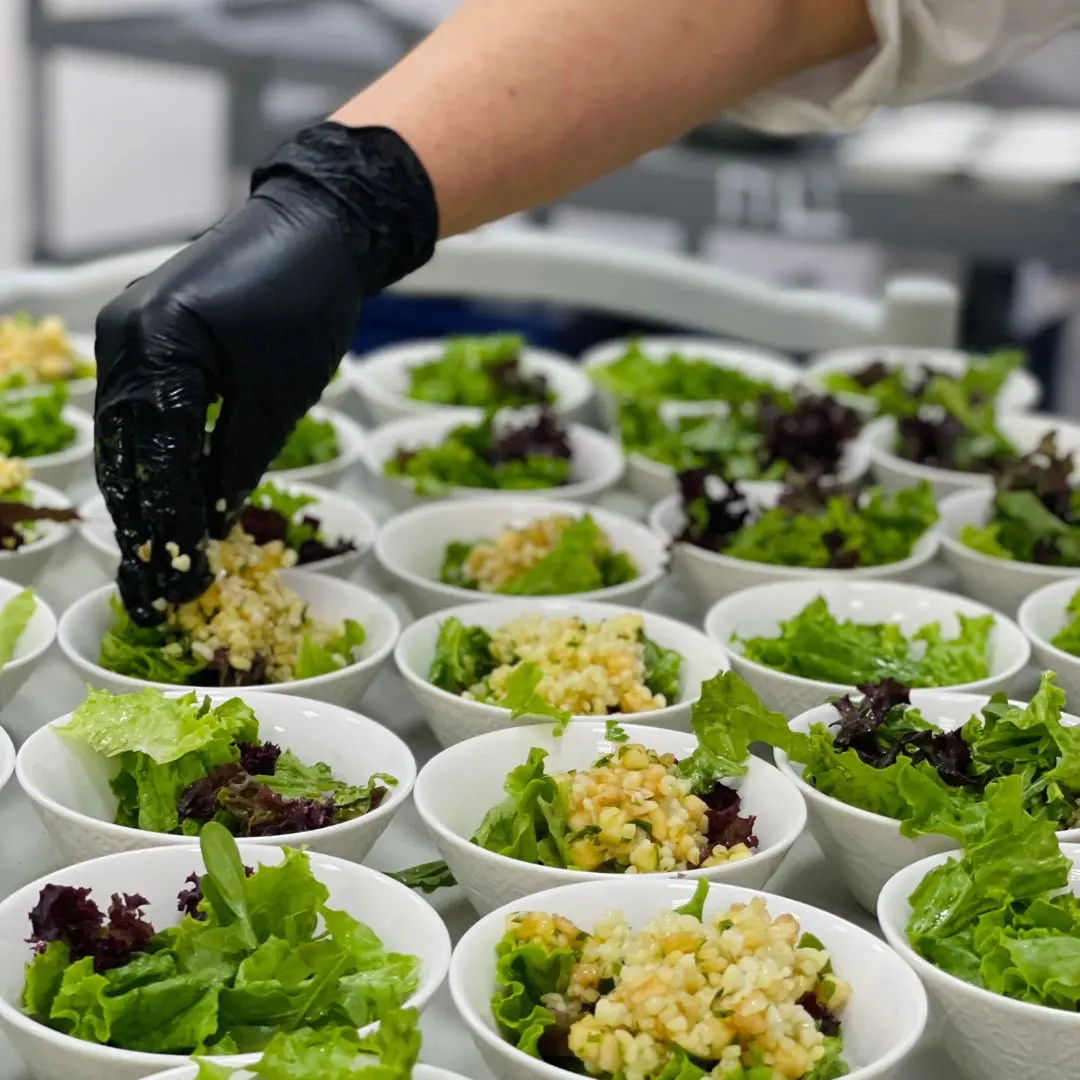

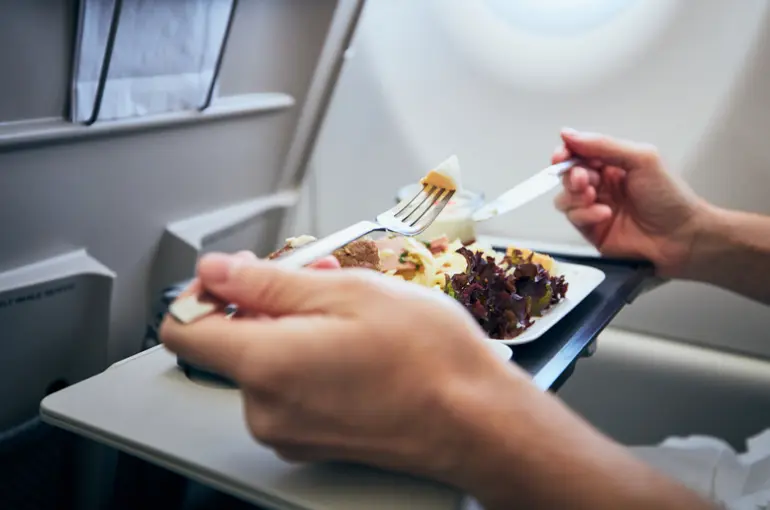
Next time, take a closer look at your knife on board an airplane. Chances are, it will have a rounded tip and almost no sharp cutting edge, and for good reason. After 9/11, inflight security regulations became significantly stricter. Sharp objects began to be viewed as a potential threat, and this also affected table setting. Therefore, catering companies switched to safe cutlery with a rounded profile. In economy class, metal cutlery is often replaced with plastic or lighter materials. And it's not just about safety.
In aviation, literally every gram counts: the lighter the trays, dishes, and cutlery, the lower the overall weight of the aircraft and, consequently, the lower the fuel consumption. For the same reason, glassware is rarely used in economy class. Not only is it heavier, but it can also break during severe turbulence, posing a risk to passengers.
Incidentally, one of the most famous examples of airline savings is the story of American Airlines. In 1987, the company removed just one olive from the salad served to first-class passengers. According to various estimates, this saved tens of thousands of dollars annually.
It's these seemingly small details that make up the work of airline catering.
The passenger sees a prepared tray, followed by weight calculations, safety requirements, selection of tableware and cutlery, and dozens of details that must be considered even before the plane takes off.