

Airline passengers are used to the variety of dishes served during flights, especially in first class, as well as in business class. However, not all the dishes that you can see on the menu are suitable for serving at an altitude of 10,000 meters. Let's figure out why.
This is due to physics, logistics and the peculiarities of the human body at altitude. Let's figure out which dishes cannot be served on board the aircraft and why.
1. Raw eggs and dishes with their application
Raw eggs, such as in hollandaise sauce or tartare, are prohibited from serving on board due to the risk of salmonella infection. At altitude, the human immune system is weakened, and even a minimal chance of food poisoning becomes a serious threat.
2. Fresh seafood
Seafood such as oysters or sashimi require ideal storage conditions and instant consumption. It is extremely difficult to ensure a constant optimal storage temperature on board the aircraft, which increases the risk of spoilage.
3. Gas-forming products
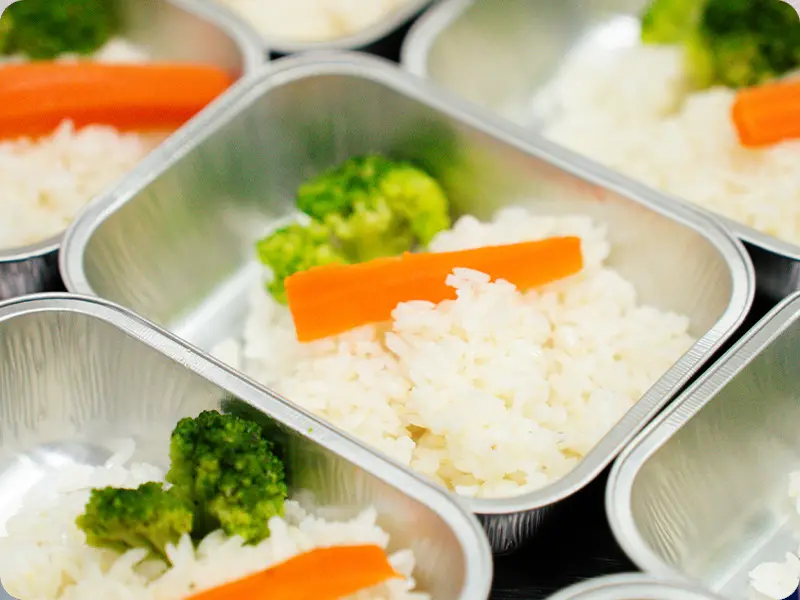
Beans, broccoli, cabbage, and other flatulence-causing foods are avoided on the on-board menu. At altitude, due to the decrease in cabin pressure, the human body is prone to increased gas formation, which can cause discomfort to passengers.
4. Fatty and fried foods
Gastronomic delights such as roast pork or dishes saturated with fat are extremely rare on board. At altitude, digestion slows down, and heavy food can cause discomfort, including heartburn or nausea.
5. Complex desserts with creams
Cakes, pastries and desserts with cream or mascarpone creams are extremely sensitive to temperature. To avoid the risks of spoilage and preserve the taste, airlines prefer more stable options such as cookies or chocolate.
6. High-strength alcohol
Although wine and beer are standard options on most flights, strong drinks such as whiskey or rum are served in limited quantities. Alcohol has a stronger effect at altitude due to a decrease in oxygen, which can cause faster intoxication.
7. Exotic ingredients
Menus that include unusual foods such as exotic mushrooms, rare spices, or wild animal meat are often excluded. The reason is the need to take into account the taste preferences of passengers from all over the world and minimize the risk of allergic reactions.
Why are these restrictions important?
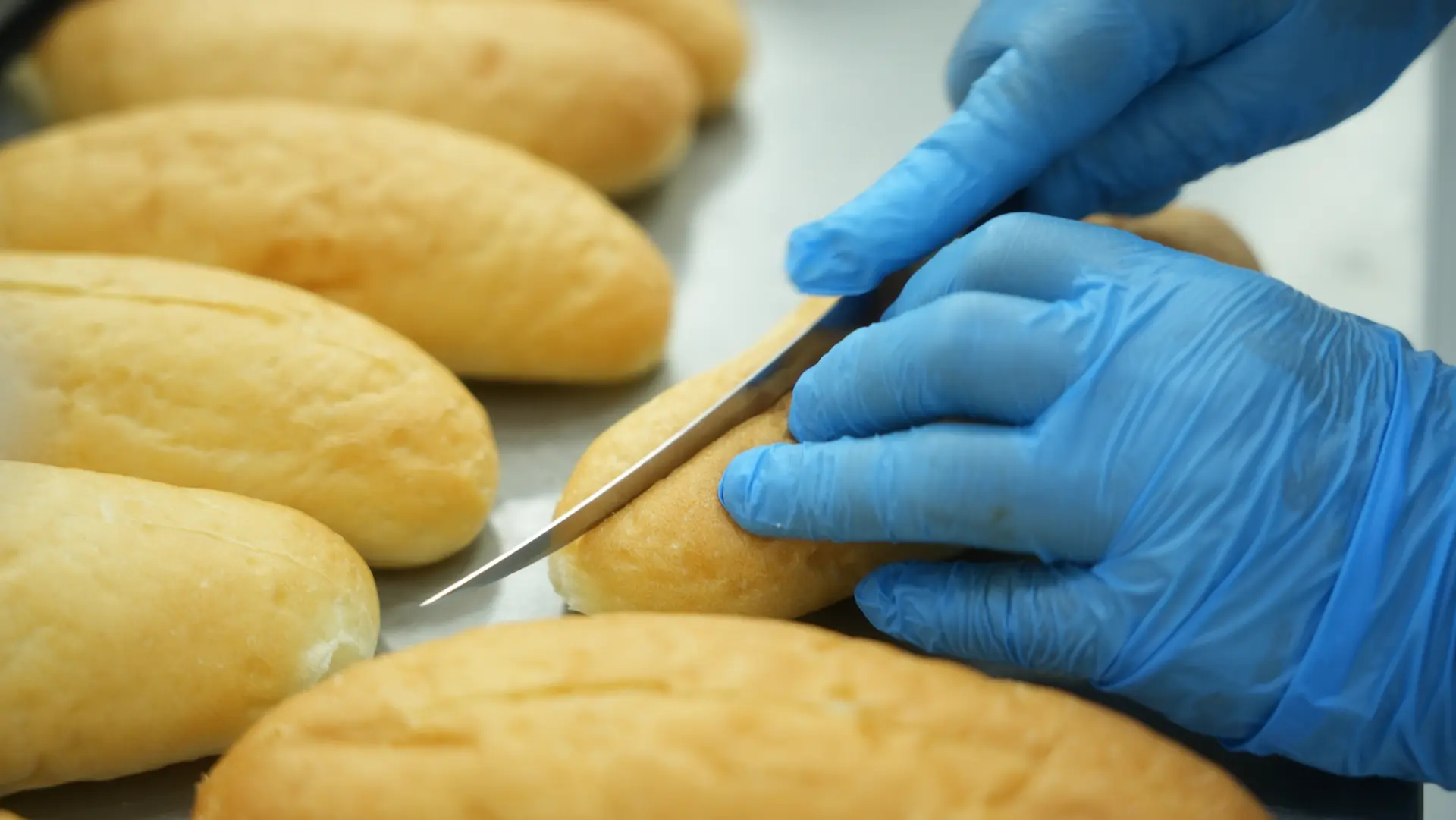
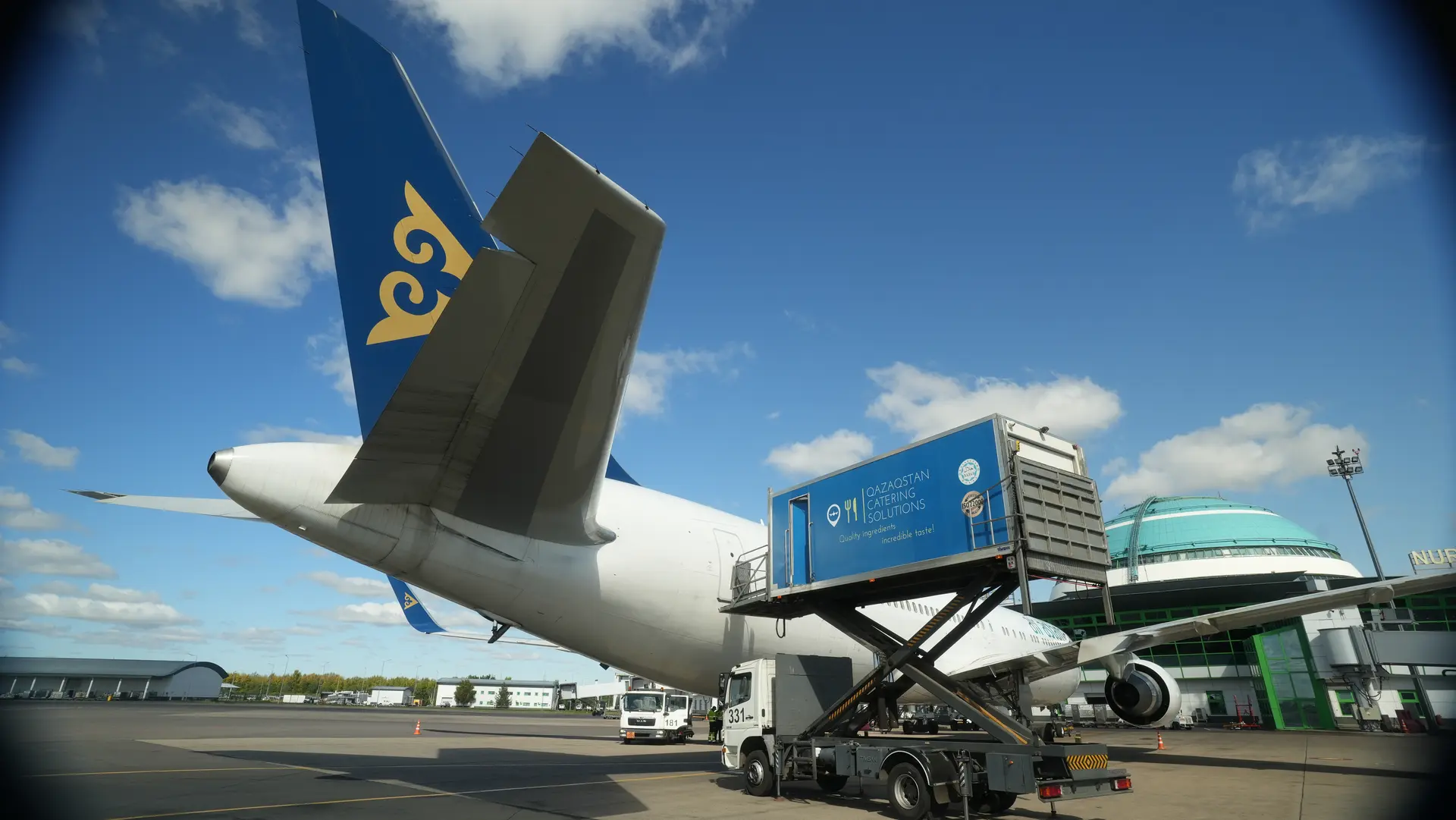
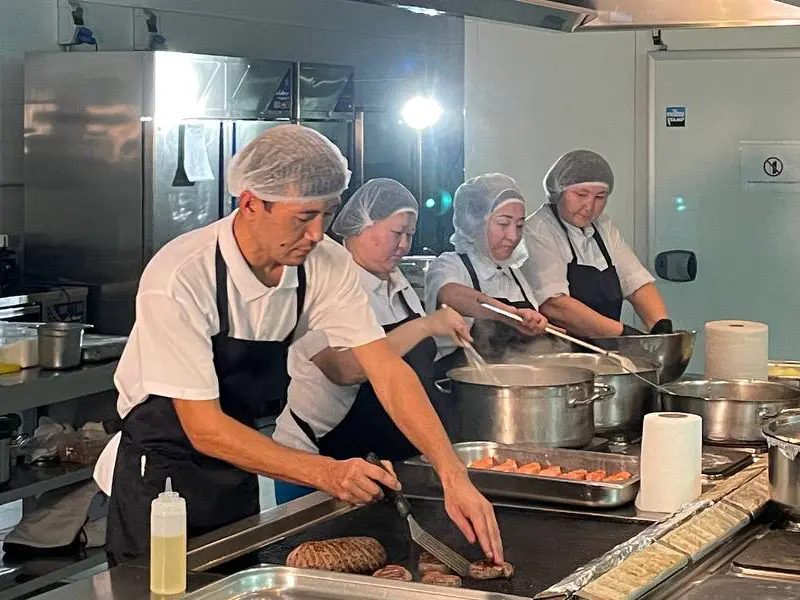
At altitude, the human body functions differently. Reducing pressure and humidity affects the sense of smell, taste, and digestion. Some dishes may lose their taste qualities or become difficult for the body to perceive. In addition, airlines must consider logistics: food is prepared in advance and can be stored for several hours.
On—board meals are not just food, but a thoughtful gastronomic compromise between safety, comfort and taste. Each dish is carefully selected to ensure maximum flight comfort for passengers. So the next time you open your dinner tray on board, remember: all this is the result of the hard work of a team of professionals!